Choose a host gift that does not create extra work
Bring something the host can enjoy later, without needing to find a vase, change the menu or stop welcoming people at the door.
The host may be answering the door with something on the stove and three people asking where to put their coats. A gift that immediately needs water, refrigeration, arranging or explanation adds a job at that exact moment. Choose something that can be set aside safely, and hand it over with a simple explanation that it is for another time.
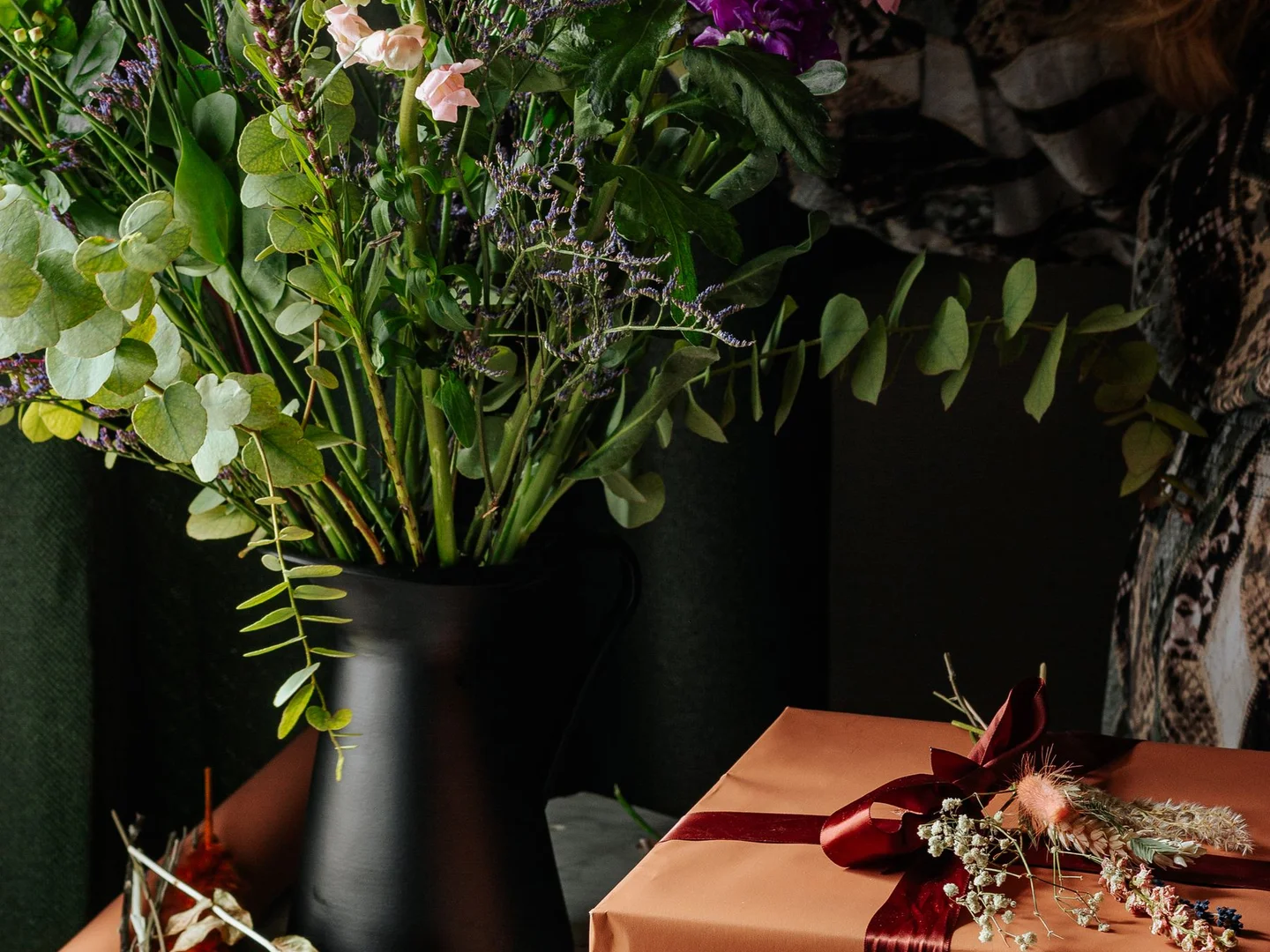
If you want to bring flowers, ask whether they would be welcome and consider a modest arrangement already in a watertight container. A tall bouquet wrapped in paper often means a search for the right vase and a wet countertop. A small plant is not automatically easier; it comes with ongoing care and may be unsuitable around pets. Knowing the household matters more than following a standard host-gift formula.
Avoid adding a surprise course
Food for the gathering should be agreed upon beforehand. Turning up with a dessert can create a choice the host did not expect, especially when the menu includes dietary planning. A sealed item intended for later is a different proposition, provided you know it suits the household and include the ingredient information.
If the host has said not to bring anything, accept that answer. A note afterward can be a more welcome gesture than another object. You can also offer a concrete bit of help at the gathering, then follow the host's lead. Quietly carrying empty glasses to the kitchen is useful only if you are not rearranging a system they already have underway.
Match the scale of the invitation
A casual weekday dinner does not need a lavish gift. An oversized present can make a relaxed exchange feel like a transaction that must be returned. A small consumable the host already likes, a book they mentioned or a simple card may be enough. Avoid décor chosen only because it matches your own home; the host may have no place for it.
For an overnight visit, ask about household routines before choosing a gesture. Replacing a favorite breakfast item or treating the hosts to a meal they do not have to cook may fit better than a decorative basket. Arrange timing so it actually relieves work instead of shifting it. A restaurant booking, for example, needs to suit everyone's schedule and transport.
Write your name on any package that will be opened later, especially at a larger gathering. Keep the wrapping easy to remove and do not expect the host to open the gift immediately. The visit is the occasion; the present can remain a small part of it.
A brief message the next day can mention something particular you enjoyed. That acknowledgment often conveys more warmth than adding another item to the original bag simply to make it look substantial.