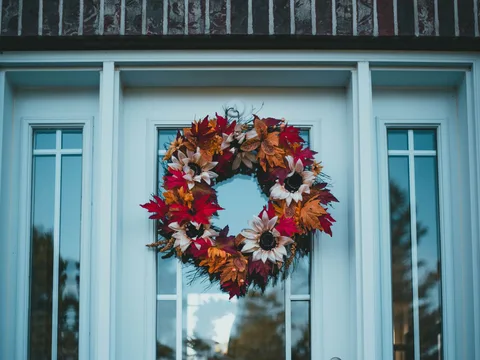
Refresh porch planters for a new season
Change the planting around the porch's light and weather, not just the colors appearing in the garden center.
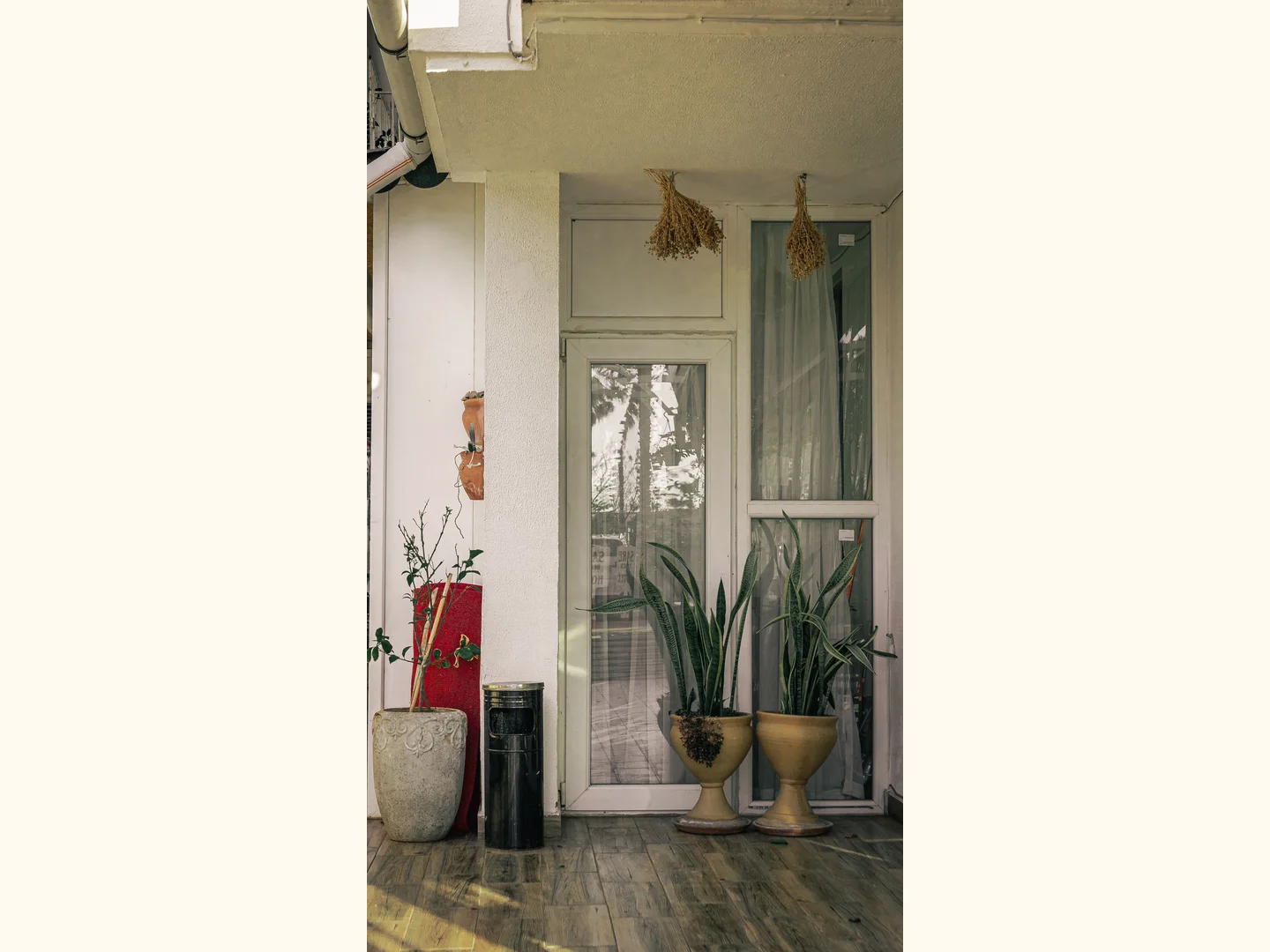
Reassess the spot each season
A porch that receives several hours of sun in spring may sit under deep tree shade by midsummer. Watch the light at different times before replacing plants. Note wind, roof cover and reflected heat from pavement as well. Two pots on opposite sides of the same doorway can dry out at different rates, so matching their appearance does not necessarily mean giving them identical care.
Choose plants with compatible light and moisture needs for each container. Read their labels for mature size rather than buying only for the effect they make in small nursery pots. A trailing plant can soften an edge, but it should not extend across a step or catch in the door. Leave room for the plant to grow and for people to pass with bags in their hands.
Give the container a fresh inspection
Remove spent plants and check the pot for cracks, blocked drainage holes and roots packed tightly against the sides. Use a potting mix suited to containers and the plants selected. Garden soil alone can be too dense for a pot. Drainage holes must remain open; a decorative outer vessel should not trap the inner nursery pot in standing water.
You do not need to replace a healthy permanent plant just because the smaller seasonal plants around it have finished. Work carefully around its roots and refresh only what needs changing. If the container is thoroughly crowded, it may be time for a larger pot or a simpler planting rather than forcing more plants into the gaps.
Change the planting in stages
A seasonal transition does not have to happen on a single weekend. Remove the plants that have finished, then see what still looks healthy before filling the gaps. Keeping one established plant can make the new arrangement feel settled sooner and may reduce the amount you need to buy. Check that the remaining plant's requirements suit the replacements rather than choosing solely by color.
Use local forecasts and the plants' temperature guidance when deciding when to move tender plants outside. A calendar photograph from another region is not a reliable planting date for your porch. Have an appropriate sheltered place available if the plants will need temporary protection, and keep that move manageable by avoiding unnecessarily heavy containers.
Plan for ordinary watering
Water requirements vary with the plants, weather, pot material and size. Check the mix before watering instead of assuming that a weekly calendar will suit every container. Apply water to the growing medium and let excess drain away. After heavy rain, inspect covered and uncovered pots separately; the one beneath the porch roof may still be dry.
Place saucers or protective surfaces where needed without creating a slippery area. A full pot can be heavy, so choose its location before planting and get help moving it when necessary. Avoid unstable stacks of loose bricks used to gain height. A planter should remain steady when someone brushes past it.
For a seasonal color change, flowers are only one option. Foliage can carry silver, burgundy or different greens for a longer stretch, and a change in the surrounding pots may be enough. Keep plant labels together until you know which choices worked in that exact spot. Next season, the useful question is whether a plant stayed healthy and manageable there, not whether it matched an attractive display somewhere else.