Use a cardigan as the outer layer on mild days
A cardigan can replace a light jacket when its shape, warmth and pockets suit the day. Try it as a complete outer layer rather than an afterthought.
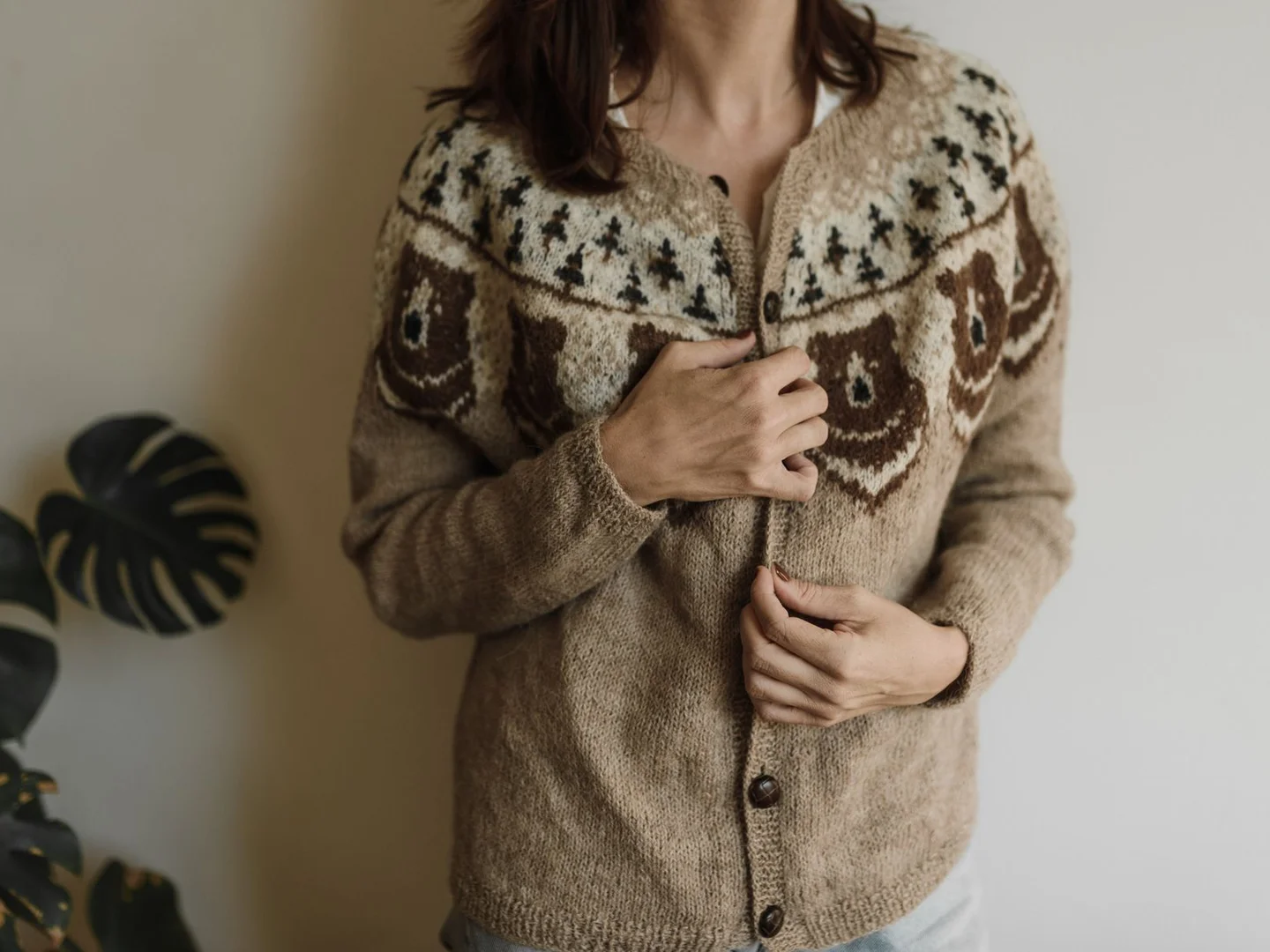
Put the cardigan over the top you intend to wear and leave the coat on its hook. This reveals whether the cardigan provides the amount of coverage you want on its own. Some fine knits work well indoors but feel too light outside; others have enough structure and warmth for a mild morning. Choose for the weather and how long you will be outdoors.
Decide how you want it to close
Buttoned, partly fastened and open are three different silhouettes. Check whether the front pulls when fastened and whether the neckline sits comfortably over the layer beneath. If the buttons strain or the hem lifts, try another fit rather than assuming it must be worn open to conceal the problem.
An open cardigan can create useful vertical lines over a tee or dress. A shorter one may sit neatly above a higher waistband, while a long version can move more freely over straight pants. Neither length is inherently more flattering; the useful choice is the one that works with your clothes and movements without constant rearranging.
Check sleeves and carrying habits
Push the sleeves up if that is how you normally wear them, then see whether they stay comfortably in place. Very loose cuffs can fall into the way while washing hands or handling food. Avoid stretching them repeatedly just to achieve a temporary fit. The fabric's recovery and care requirements matter as much as its softness in the store.
If you rely on jacket pockets, notice whether the cardigan has any and what they can reasonably hold. Heavy phones or keys can pull a soft knit out of shape. A small bag may be a better choice than asking the pockets to perform like those of a structured coat.
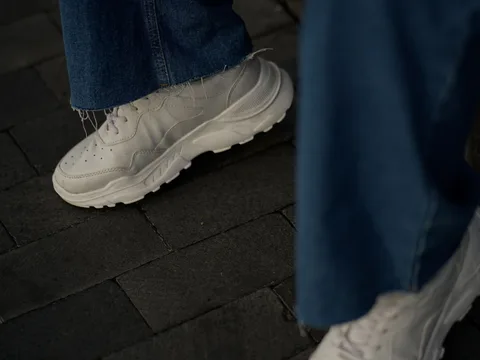
For a simple mild-day outfit, try a cardigan over a cotton tee with jeans and familiar walking shoes. For a dress, choose a length that lets the skirt move without bunching beneath the hem. Carry a suitable weather layer if rain or a temperature drop is expected; knitwear is not automatically a substitute for rain protection.
At home, store and clean the cardigan according to its label. A piece used as outerwear may need airing or attention more often than one worn briefly indoors. When the shape and maintenance suit your routine, it becomes an easy layer to repeat rather than another item reserved for the perfect temperature.