Use a small outfit rail to see useful combinations
A small rail can make useful combinations visible, provided it holds a short selection. Treat it as a working space rather than a second crowded closet.
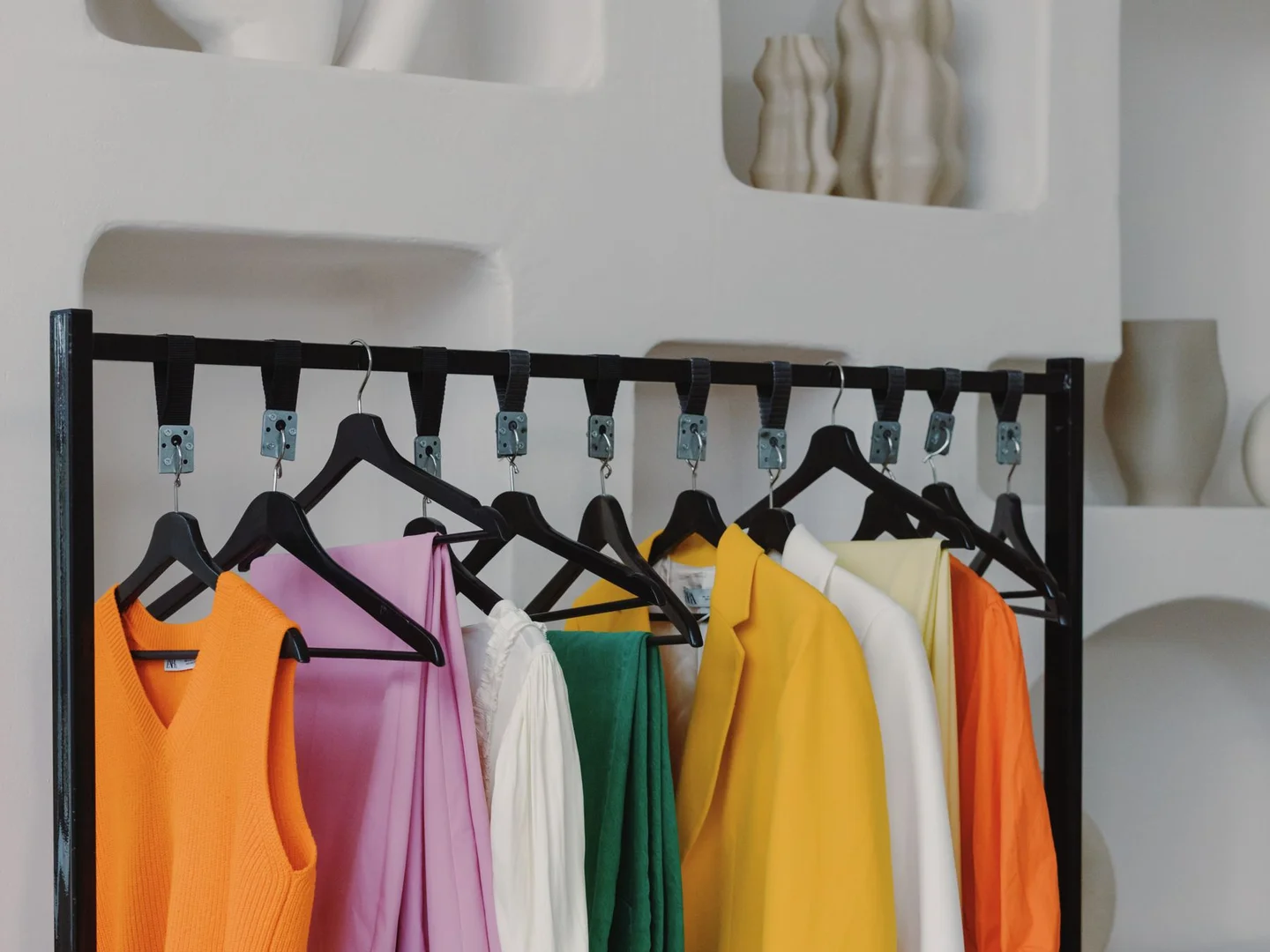
Choose a rail that fits the available space without blocking a door, drawer or walkway. Follow its assembly and load instructions, and secure it if the manufacturer requires that. The rail does not need to display the whole wardrobe. Its value is in showing a manageable group of clothes that can be tried together and returned easily.
Select a short time frame
Start with the coming week or one specific trip. Look at the weather and planned activities, then pull a few bottoms, tops and layers that suit them. Include clothes already known to fit. An outfit rail is not the best place to keep a large collection of “maybe after alterations” pieces that distract from getting dressed now.
Hang the bottoms beside the tops they might work with, leaving enough space to see the shapes. Place shoes below only if they do not become an obstacle. Keep accessories in one small container or another appropriate location rather than dangling so much from the rail that the clothes disappear.
Test combinations instead of arranging a display
Try one bottom with several tops. Notice which combinations work without new purchases and which need a small adjustment, such as another sleeve length or a different shoe. Take a reference photograph of the successful ones. The rail can then return to a small selection rather than remaining full of experiments.
For example, one pair of dark jeans might work with a striped tee and cardigan, a plain shirt and jacket, or a soft sweater on its own. Seeing those pieces together can reveal that another top is unnecessary. Alternatively, it may show that the only missing item is a weather layer that fits over the sweater, which is a more specific shopping need.
Give unresolved pieces a separate decision point. If a top works only after a sleeve alteration, write that down and move it off the active rail until the work is done. If two pieces simply do not feel right together, return one to the closet rather than leaving both there as an unfinished puzzle. This keeps the visible selection focused on clothes that can actually be worn tomorrow.
A shared room may need an even smaller rail arrangement. Leave enough empty space around it for the room's other activities, and keep the quantity within the product's rating. An attractive display is not useful if it blocks access or becomes difficult to clean around. A short run of five or six well-chosen pieces can reveal more combinations than a packed rail where only the front sleeve of each garment is visible.
Do not keep worn clothes on the rail indefinitely without considering their care. Air, clean or launder pieces as appropriate, and return clean extras to the closet. A few hangers reserved for tomorrow's outfit can be enough if a whole week's selection feels cumbersome.
Review the rail when the chosen period ends. Put away what was not used and note why: weather changed, plans changed or the outfit never felt comfortable. This keeps the rail responsive to real life. It should reduce the number of decisions at the closet, not create another area that needs constant styling.