Rewear an occasion dress with different everyday layers
Try the occasion dress with ordinary shoes and a useful layer. Some dresses adapt easily; others are best repeated at the kind of event they were made for.
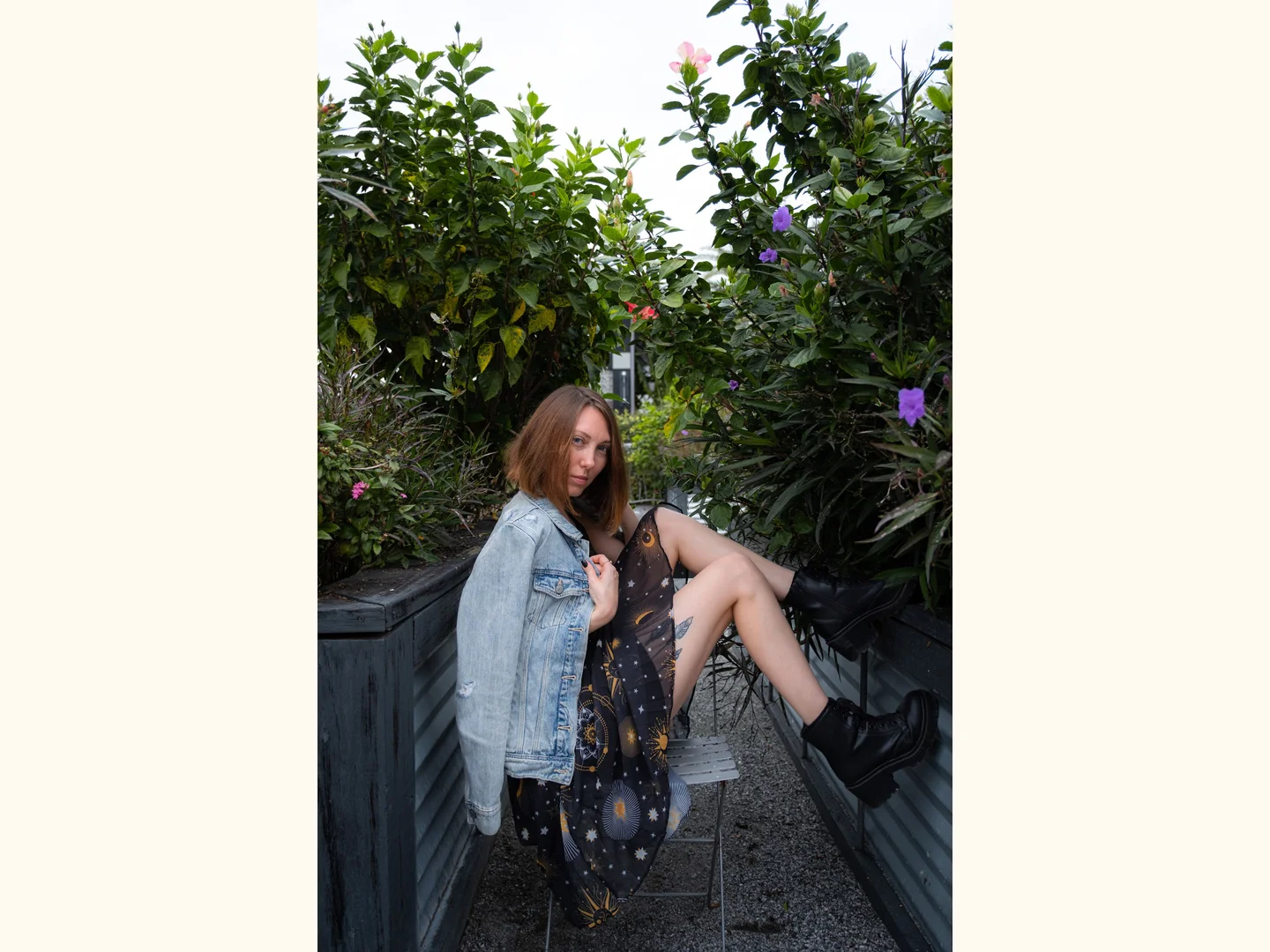
Take the dress out of its cover and put it on without the accessories from the original occasion. The memory of that outfit can make the garment seem more formal than it is. A simple shape may work differently with flat shoes and a cardigan, while heavy embellishment or a restrictive cut may still feel best suited to an event. Neither outcome is a failure to make the wardrobe versatile.
Check whether the dress supports an ordinary day
Sit, walk and reach in it. Look at the hem, neckline and closures. If it needs special underlayers, frequent adjustment or careful handling, be realistic about when you want that level of attention. Rewearing does not have to mean turning every occasion piece into an errand outfit. Wearing it to another dinner or celebration is still repeating it.
Read the care label before planning more frequent use. A dress that requires specialist cleaning may have a different place in the rotation from a washable cotton one. Check for loose fastenings or repairs left over from the last event. Taking care of those details first gives the new combination a fair test.
Change one formal element at a time
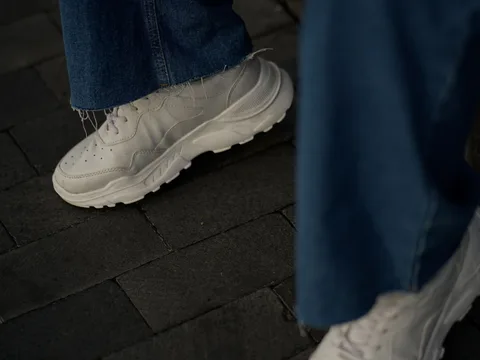
Start with shoes you know are comfortable. Flat sandals, sneakers or boots can each alter the feel, depending on the dress's fabric and length. Check the hem with the lower sole height; a dress that was fitted for heels may drag. Do not shorten it without considering whether you still want to wear it with the original shoes.
Next, try a layer that has a real purpose. A cardigan can soften the outline and add warmth, while a denim jacket can introduce a more casual texture. Make sure the sleeves and shoulders fit together. A tight jacket over a delicate or embellished sleeve can damage the dress or make movement unpleasant, even if the color combination looks appealing.
Remove some of the original occasion accessories before adding new ones. A simple bag and small earrings may be enough. There is no need to replace every formal item with a deliberately casual counterpart at once. The outfit can remain slightly dressed up while becoming easier to wear.
Use the original outfit as an option too
Sometimes the most useful discovery is that the original combination still works. There is no need to change a dress merely because it has appeared in photographs before. If the shoes are comfortable and the accessories suit the next event, repeating them can remove a shopping decision entirely. Adjust only what the new setting or weather requires.
If the dress no longer feels right, separate fit from styling. A new jacket cannot solve a closure that strains or a hem that prevents comfortable movement. Address the garment itself, seek an alteration assessment or choose another piece. Rewearing should create another enjoyable use, not turn an old purchase into an obligation to tolerate an uncomfortable outfit.
Work through two different dresses
A plain midi dress with a comfortable skirt might pair with a soft cardigan and familiar sneakers for a casual lunch. The cardigan gives warmth, the shoes suit the walk and the dress remains the central piece. If the neckline feels too open for that setting, choose an appropriate underlayer or another occasion rather than spending the day checking it.
A structured satin dress may not feel as natural with the same shoes. It could instead be repeated for an evening meal with a different jacket and the same comfortable occasion footwear. The useful change is smaller: a new context and perhaps fewer accessories, not a complete transformation. Fabric and construction set the possibilities more than a slogan about dressing anything down.
Keep successful combinations together mentally
Photograph the versions that feel comfortable and note any alteration needed. If an alteration would make the dress useful more often, discuss it with a competent tailor before deciding. Some details are straightforward to change; others affect the garment's balance or finish. Include that effort in the decision rather than assuming a quick home adjustment will solve every issue.
Store the dress so it remains ready to wear according to its care requirements. It is easy for occasion clothes to disappear behind a vague intention to use them again. A clear plan, such as a particular dinner or a relaxed summer gathering, makes the next wear more likely. Repetition can be simple: the same dress, a comfortable combination and another day that suits it.