Plan morning layers for a warmer afternoon
Build the morning outfit around the warmer part of the day, then add layers that can be removed and carried without becoming a burden.
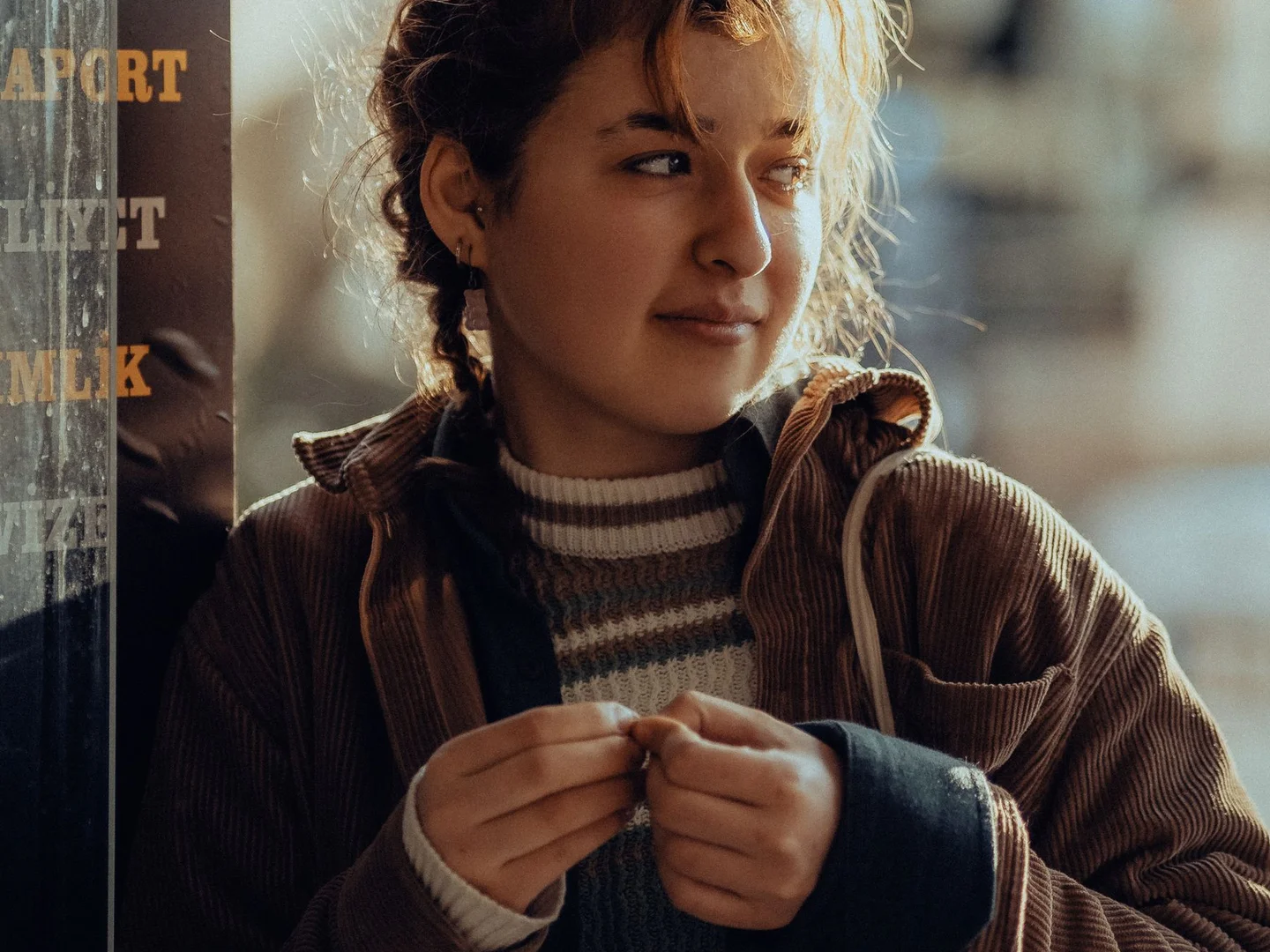
A cool walk out of the house and a warm afternoon pickup can ask for different amounts of clothing. Instead of choosing one heavy outfit and hoping it works all day, decide what you will want to wear when the temperature rises. That base outfit should feel complete and comfortable on its own, because it may be what remains after the outer layers come off.
Give the base layer a full job
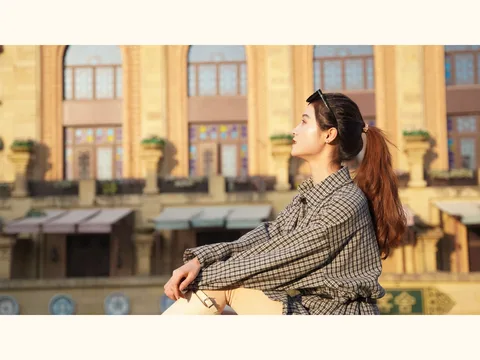
Choose a top that works with the pants or skirt without needing a jacket to hide an awkward fit. Check sleeve openings, neckline and movement. If you know you will remove a sweater, make sure the layer underneath is one you are happy to wear in public. This avoids carrying the warmer piece while still feeling obliged to keep it on.
Think about the day's route. Walking, driving, standing outside and going into heated buildings create different transitions. A light shirt with a cardigan may suit short outdoor periods, while a longer walk in cool weather might call for a more protective outer layer. Check the actual forecast and conditions rather than treating the calendar season as enough information.
Choose removable layers with a destination
Before adding a cardigan or jacket, decide where it goes when removed. Can it fit in the bag without filling the entire space? Can you carry it comfortably without dragging sleeves? A compact layer may be more useful than a bulky one when you will be moving between temperatures repeatedly. Avoid tying clothing where it could catch in equipment or get in the way of movement.
An open overshirt can provide a small amount of warmth and cover the arms without the bulk of a thick sweater. A cardigan can be partly fastened for the first walk and removed later. A weatherproof jacket serves a different purpose and may still be needed if rain is likely, even when the temperature is mild. Separate warmth from weather protection instead of assuming one garment must do everything.
Keep the bag from becoming the extra layer
A bag packed tightly before leaving has no room for the sweater you expect to remove. Place the folded layer inside during the outfit test, then add the ordinary contents. If it no longer closes or becomes awkward to carry, choose a lighter layer, a more suitable bag or a different arrangement. This is a small detail that changes the afternoon experience considerably.
Keep weather accessories together in a reachable place rather than adding several loose items at the last moment. A compact umbrella, for example, still needs a plan for being wet afterward. Choose what is appropriate to the route and forecast, and leave unnecessary duplicates at home. The clothing plan works best when taking something off is as easy as putting it on, without leaving you holding a pile of garments while trying to manage everything else.
Try a complete morning-to-afternoon example
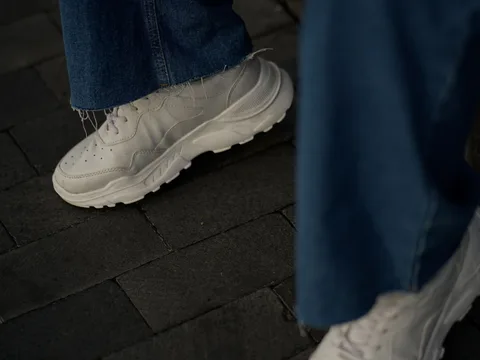
Suppose the day begins cool, includes a short walk and several indoor errands, and becomes mild by pickup. Straight jeans, a cotton tee and comfortable shoes could form the base. Add a cardigan that fits in the tote and a suitable rain layer only if the forecast calls for it. The bag still needs room for the ordinary things you carry, so test that space before leaving rather than adding another bag at the last minute.
For a dress, the same idea works with a light knit or jacket whose sleeves do not bunch. Check the combination while seated in the car and while walking. A layer that looks good over the dress but restricts reaching will be annoying throughout the morning. Keep the shoes consistent with the amount of walking rather than changing them to make the outer layer look more formal.
Make the repeat easier
Place the selected layer near the door with the bag, not at the back of the closet. If two combinations regularly work, photograph them for reference. You can swap the base top or color without reconsidering every part. This is especially useful when the morning has little spare time and the weather pattern is familiar.
At the end of the day, notice which layer stayed on and which was carried unused. That observation helps refine tomorrow's choice. The goal is not to predict every temperature perfectly, but to create an outfit that can change in a few simple steps while remaining comfortable at each stage.