Plan travel outfits around one pair of walking shoes
Choose one comfortable walking shoe, then build clothes that work with it across the trip. A small wardrobe becomes easier when the pieces share a real purpose.
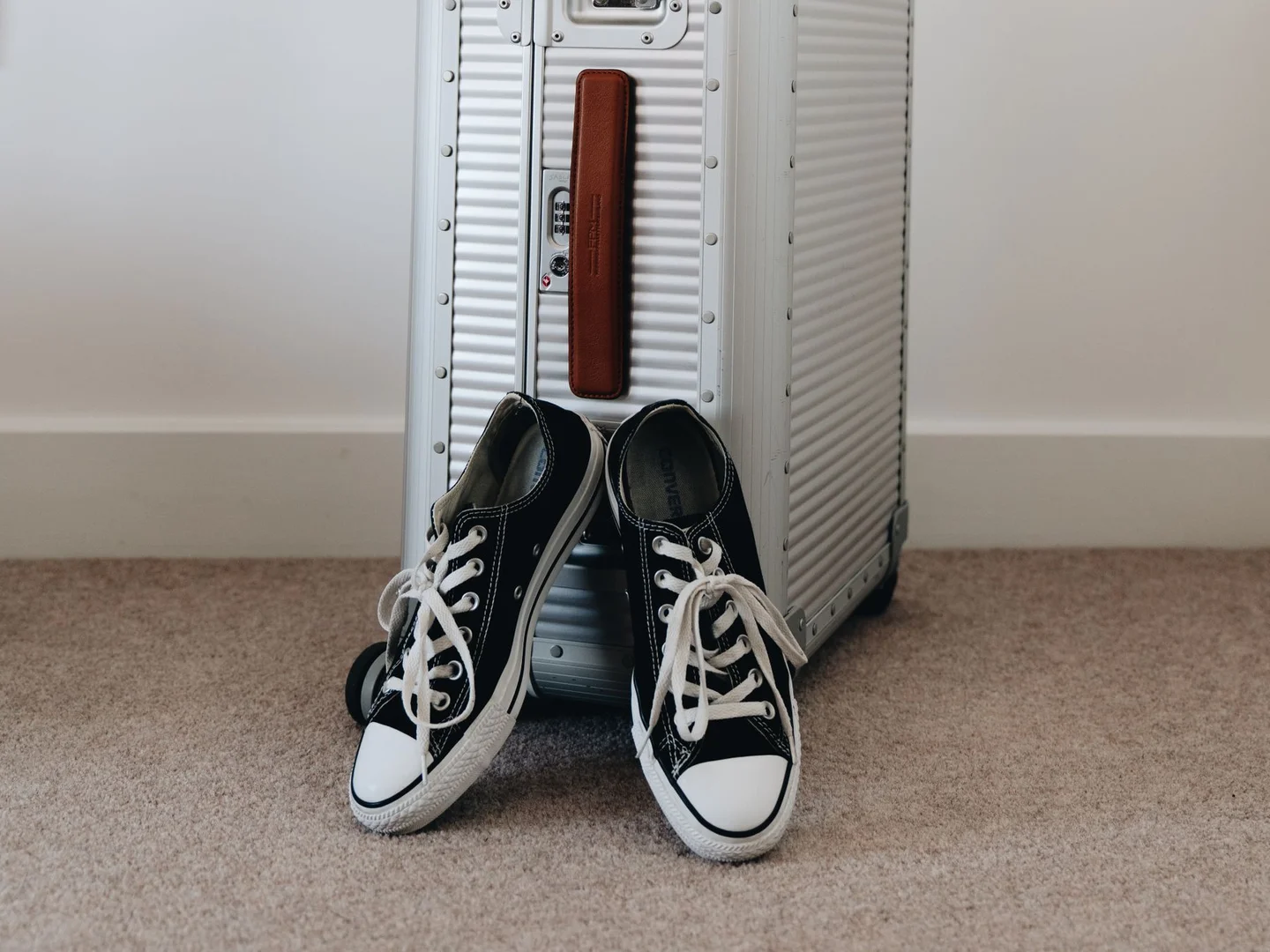
Start with the walking, not the photographs. Think about the surfaces, weather and time on your feet expected during the trip. Choose shoes already known to fit comfortably and appropriate for those conditions. A new pair that merely coordinates with every outfit is not a reliable foundation for several days of walking.
Make the shoe choice visible
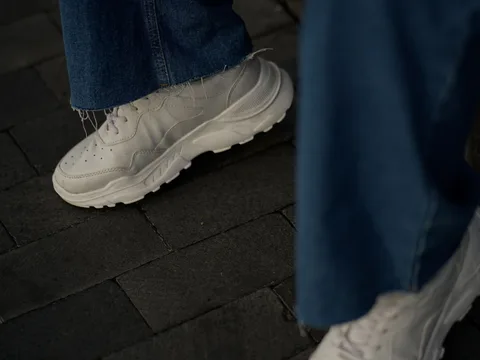
Put the shoes beside the clothes you might pack. Try each bottom with them and check hem length, comfort and movement. A trouser that drags with the selected sole height is not ready for the trip simply because it works with another shoe at home. A dress should let you walk and climb steps without repeated adjustment.
Keep a second footwear need separate if the itinerary genuinely requires it, such as a particular activity or dress code. “One pair” is a packing approach, not a rule to follow at the expense of suitable equipment. The goal is to avoid several nearly identical casual pairs that each serve the same job.
Build a small set of interchangeable pieces
Choose two bottoms that work with the shoe and several tops that suit both. Add a layer that fits over those tops and can be carried when removed. Color does not need to be restricted to black and white; a small group of colors already worn together can be just as flexible. Keep fabrics and care requirements compatible with the trip's facilities.
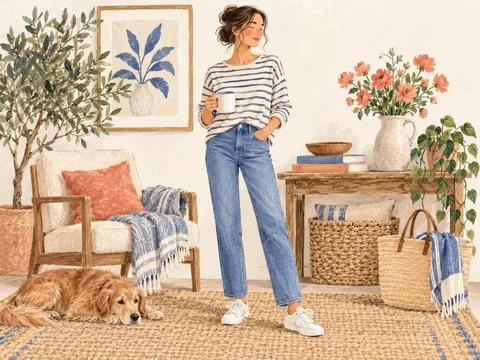
For a three-day city visit, an example might be dark straight jeans, relaxed ankle-length trousers, three tops and a cardigan or light jacket. The jeans and a tee cover travel; trousers and a shirt can feel a little neater for dinner; either bottom can take the remaining top for another day. The same walking shoes work because the hems and overall formality were considered before packing.
This example is a starting point, not a universal packing count. Add underwear, sleepwear, weather protection and activity-specific clothing as needed. If the weather is uncertain, choose layers with distinct functions rather than several sweaters of almost identical warmth. A rain shell and a knit layer do different jobs and may be more adaptable than one bulky coat in mild conditions.
Adjust the capsule for a different itinerary
A trip with a family celebration needs a different balance from one spent mostly sightseeing. Keep the walking outfit as the foundation, then identify the single event-specific addition. A dress that works with the same suitable shoes may be useful, but do not force the combination if the event or garment calls for something else. One justified extra pair is different from packing several out of uncertainty.
For a trip involving outdoor activities, ordinary city clothes may not provide the protection or function needed. Choose equipment and clothing appropriate to those activities, then look for overlap only where it is sensible. The small-wardrobe approach should simplify decisions, not remove necessary gear. It is better to pack a required layer than to preserve an arbitrary item count.
Leave a little unfilled space in the bag for the way clothes return: less perfectly folded, perhaps with an extra purchase or a damp item contained appropriately. A capsule that fits only when every sleeve is folded with precision may be frustrating on the last morning. Test packing in the ordinary way you are likely to manage while traveling.
Test the outfits beyond standing still
Wear the travel combination while seated for a while. Waistbands, bulky seams and layers around the neck can feel different during a long journey. Try the bag you will carry, including its normal contents, to check strap placement and whether it pulls at the clothes. Keep important items secure and accessible according to the setting.
Consider pockets without depending on them to hold everything. A phone can change how lightweight trousers hang, and a large passport wallet may not fit where you expect. A suitable bag can be more comfortable than loading every pocket. Follow transport and venue rules for bags and clothing where applicable.
Give each piece a second use
Before closing the suitcase, point to at least one other item that works with every top and layer. If a piece only matches one specific outfit, decide whether that outfit is important enough to justify the space. An occasion garment may deserve its place; an extra shirt packed merely because it is new may not.
Think about care between wears. Check whether the accommodation offers laundry, and do not assume a thick item will dry overnight after handwashing. Follow garment labels and pack enough appropriate clothing without planning around unrealistic drying conditions. A small bag for worn pieces keeps the return packing simpler.
Take a few reference photos of the completed combinations before leaving. They can be useful when dressing in an unfamiliar room without laying out the whole suitcase. On the trip, repeating an outfit is ordinary. A wardrobe that supports walking, weather and plans leaves more space in both the bag and the day than one assembled to produce a different look at every stop.