Put together a tool kit for small decorating projects
Build a small decorating kit around the work you actually do, keeping maintenance supplies separate from specialist equipment.
Start with three recent tasks
Think about the last few jobs you attempted: hanging a light frame, tightening a knob, measuring a curtain or painting a small object. Those tasks give a better shopping list than a large boxed kit with many unfamiliar pieces. Tools should solve a recurring need, not simply fill molded spaces in a case.
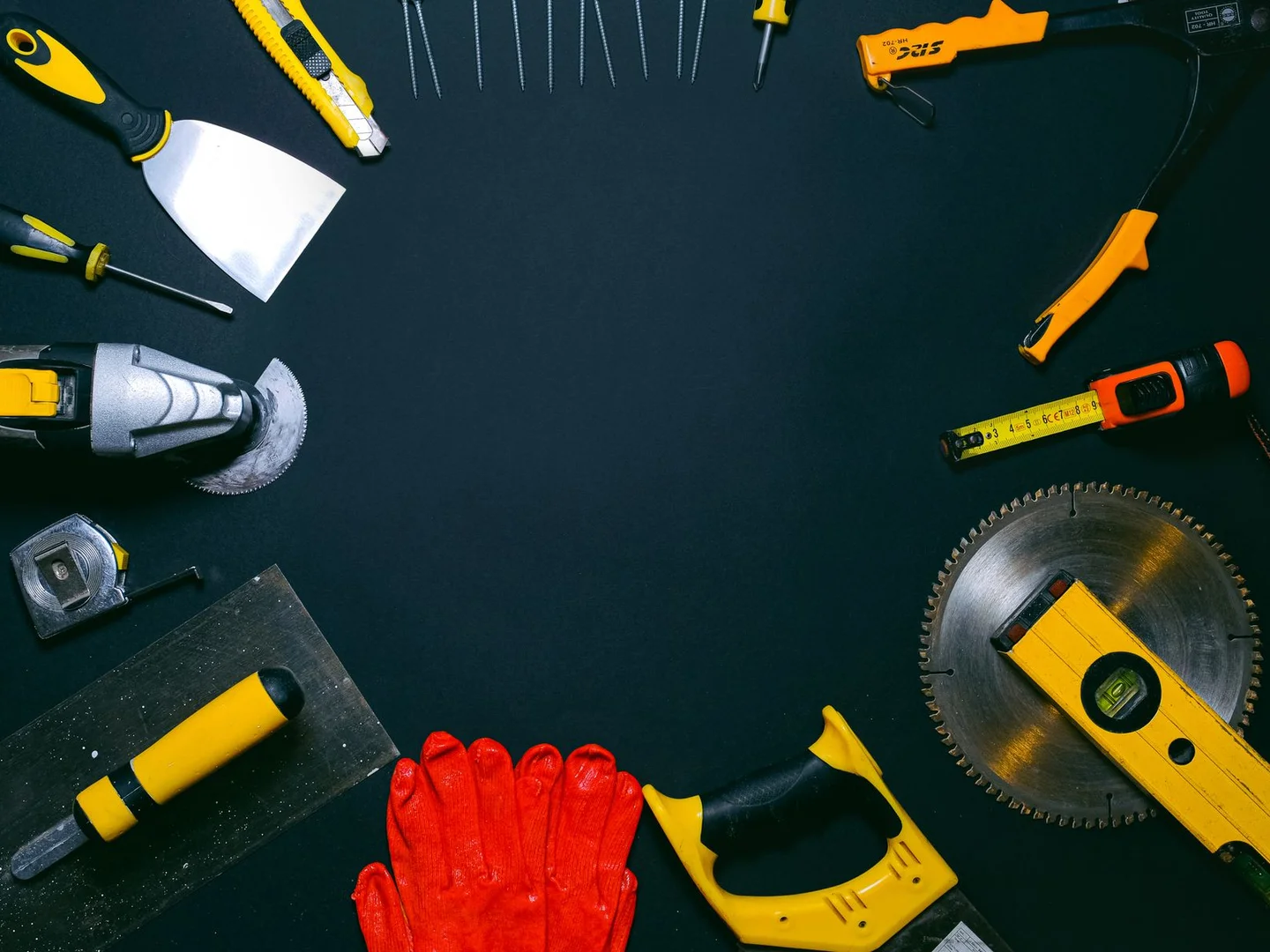
A tape measure, a pencil, a small level and an appropriate screwdriver set cover many measuring and adjustment jobs. Add tools only as the work calls for them. A hammer may be useful, but wall fixing depends on the wall and load; owning one does not mean every picture belongs on a nail. Keep the instructions for hardware and products with the project information.
Buy the right version of a basic tool
A screwdriver tip needs to fit the screw head accurately. The wrong size can damage the screw and slip under pressure. Choose a manageable handle and clear tip markings rather than the largest set available. If you regularly meet several screw types, a quality interchangeable-bit driver may take less space than many separate tools, provided the bits stay securely organized.
For measuring, check that the tape's scale is easy to read in your usual units. A flexible sewing tape is useful for fabric but not a replacement for every rigid measurement. A small level helps with short objects, while long runs may need a different tool. Borrowing an appropriate tool for an occasional larger job can make more sense than trying to stretch a compact kit beyond its purpose.
Cutting tools deserve their own thought. Scissors for fabric should not routinely cut abrasive packaging, and a utility knife requires a suitable cutting surface, safe handling and secure storage. Replace worn blades according to the tool instructions rather than forcing a dull edge. Keep spare blades in their protective container, never loose among pencils and tape.
Include preparation and cleanup
Decorating often needs protection more than another gadget. A reusable drop cloth, clean rags appropriate to the products used and suitable masking tape can prevent avoidable damage. Tape comes in different types and should be tested on the surface; a roll that worked on a workbench may lift a delicate wall finish.
Keep a few small containers for screws and removed fittings. Label them during the job, especially when several similar parts are involved. A phone photograph before disassembly can save time later. For a rented home, a labeled bag of original knobs or fittings may be as important as the new hardware.
Choose protective equipment according to the task and product instructions. Eye protection, gloves and respiratory protection are not interchangeable universal accessories. Dust, coatings and adhesives have different requirements. If the job involves unknown old paint, electrical components or structural work, the next step may be testing or a professional rather than another item in the kit.
Store it for the household you have
Use a container that closes securely and can be stored away from children. Sharp tools, small fasteners and batteries should not be accessible simply because the kit is called a craft box. Heavy items belong low enough to lift comfortably but in a location that still prevents unauthorized access. Avoid a high precarious shelf that requires carrying the box down a ladder.
Separate paint and chemical products from the hand-tool box, storing them in their original labeled containers under the conditions their labels require. Do not pour leftovers into food jars to make storage match. Dispose of damaged or expired materials through the appropriate local route rather than keeping them indefinitely for a hypothetical project.
After a task, clean tools as their manufacturers recommend, check for damage and return each piece to its place. Record a missing consumable on a short list. This avoids buying another roll of tape because the first one is buried beneath a half-finished project.
Store the kit where an adult can retrieve it without moving several unrelated boxes. A secure cupboard close to the usual work area may be more useful than a large garage case for small indoor adjustments. Check the loaded weight before choosing the shelf. The easiest tool to maintain is often the one that can be returned immediately, so keep the storage arrangement as straightforward as the kit itself.
Let the kit grow slowly. When you need a tool for the second or third time, you will have a clearer idea of the size and features that suit you. A modest collection that is complete, accessible and maintained is more useful than a large case whose contents are unfamiliar when something needs doing.