Place a peg rail where bags actually land
Find the useful height, spacing and wall position for a peg rail before turning a pile of bags into another obstacle.
Watch where the bags stop
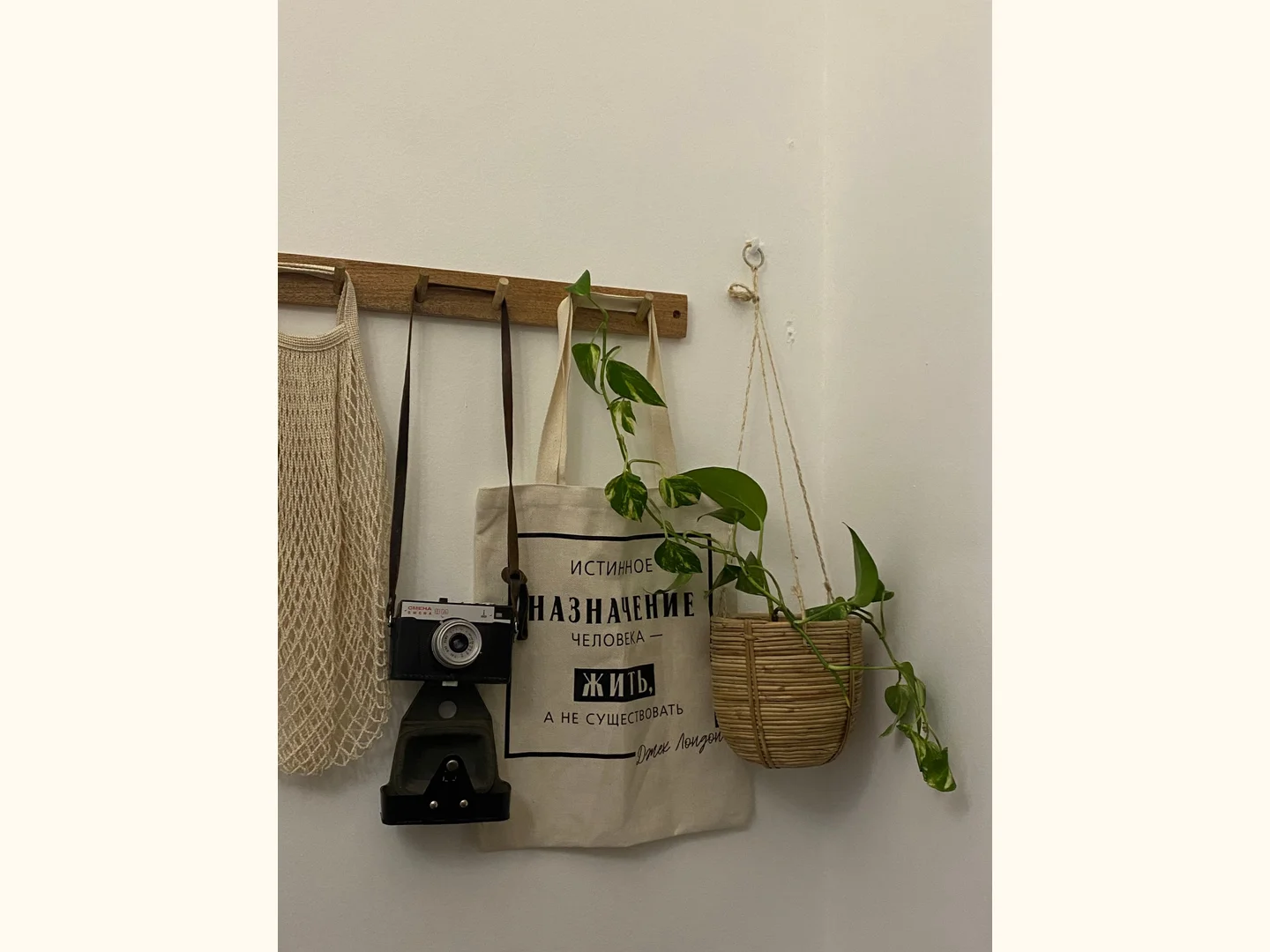
A rail works when it is close to the moment a bag comes off a shoulder. Notice whether people enter through the front door, garage or kitchen, and where bags land first. Installing hooks in a prettier but rarely used corner may simply give the household one more surface to ignore. The right wall is often the one just beside the existing pile.
Check that a full bag will not obstruct a door, heater, walkway or light switch. Measure the hanging bag itself, including the strap, rather than judging the empty peg. A rail that looks compact can project a considerable distance once backpacks and tote bags are attached.
Plan for the load and the people
Choose a rail intended for the expected combined weight. Heavy school bags need more than decorative pegs attached to a thin board. Follow the rail manufacturer's mounting instructions and use fixings suitable for the wall. Locate concealed services before drilling, and ask for professional help if the wall or fixing requirements are unclear.
Hold a paper outline at the proposed height and hang a sample bag from a temporary hand-held position. Can the intended user reach it without stretching or standing on something? Does the bag clear the floor? Two shorter rails at different heights may work better than one compromise, provided both positions leave the route usable.
Allow space between bags, not merely between empty pegs. Bulky straps are difficult to place on closely packed hooks. If the available wall only accommodates three bags, do not fit six pegs and expect the physical volume to disappear. Store occasional bags elsewhere and reserve this rail for the ones currently in use.
Give it a clear boundary
Once the rail is installed and checked, assign the pegs by person or purpose if that helps. A small label can be useful, but the arrangement should remain understandable without a complicated code. Avoid long decorative ties or loose small attachments where children can reach them.
Empty bags regularly so the hanging weight does not quietly increase with forgotten bottles, books and projects. Wet coats may need a different drying location rather than being layered over fabric bags. If a peg loosens or the rail moves, unload it and address the mounting instead of continuing to use it lightly.
Leave the floor below reasonably clear. A rail loses much of its purpose if it sits above a growing row of shoes and shopping bags. The successful setup gives a bag one obvious landing place and leaves enough space for a person to stand there while taking it off.