Give children's artwork a rotating display
Give new drawings a place to be enjoyed, then choose a smaller number to keep after the display changes.
Separate display from permanent keeping
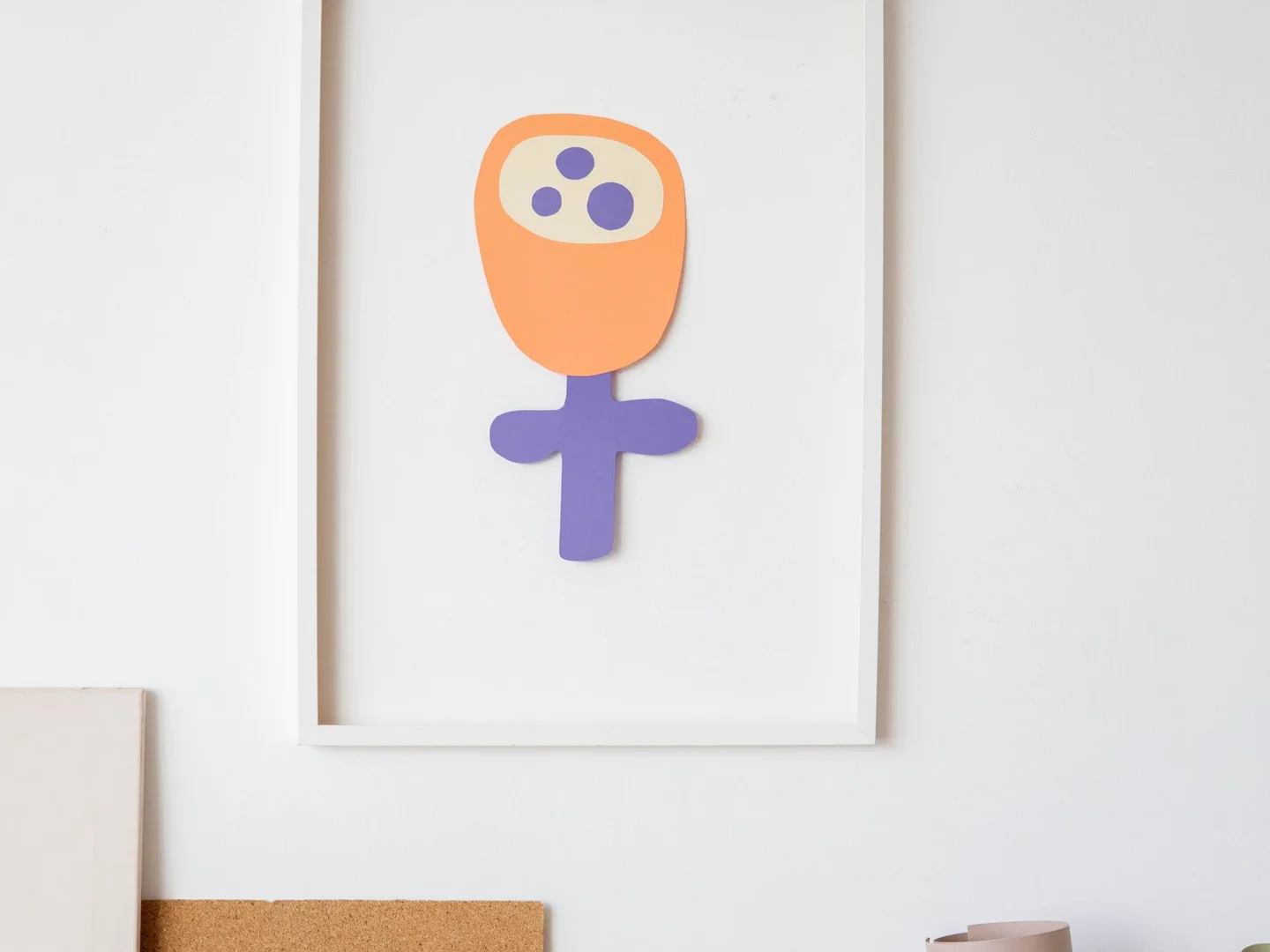
Children's artwork arrives faster than most walls can accommodate it. A rotating display makes room for the latest piece without asking every drawing to become a lifelong keepsake. Choose one defined area: a section of wall, a few suitable frames or a board accessible to an adult. Keep sharp pins, small magnets and long cords away from young children.
Decide how many pieces can be seen comfortably. Three drawings with space around them may have more presence than fifteen overlapping sheets. The limit is about the display surface, not a judgment of the work. Let the child help choose which pieces are currently shown when that suits their age and interest.
Make changing it easy
Use a display method that accommodates the sizes you receive most often. A frame that must be completely dismantled with tools may discourage regular changes. Check that the hanging system is secure and appropriate for the weight, particularly if it includes glass. Keep the display away from areas where it is likely to be pulled, splashed or struck by a door.
For siblings, agree on how the display changes without requiring exactly matching artwork sizes or styles. Each child might choose one current piece, with another space available for a shared project. Keep the process flexible enough for a child who produces many drawings and one who prefers occasional constructions. Equal attention does not require identical output or a rigid quota on the wall.
Flatten ordinary paper gently if necessary and let painted or glued work dry fully before displaying it. Thick collages may need a different arrangement from flat drawings. Do not force a dimensional piece under glazing simply to make it match the others. A photograph can represent a fragile construction that is difficult to store.
Give outgoing work a brief pause
When a new piece goes up, place the previous one in a temporary folder rather than deciding immediately whether to keep it forever. Review that folder occasionally with the child. Some work will remain important; other pieces may have served their purpose. Recording a name, approximate date or the child's own explanation on the back can preserve context more effectively than keeping every sheet.
Photograph selected work in even light with the whole piece visible. Check the image before recycling anything you intended to record. Keep files in a simple folder with useful names rather than leaving them scattered among hundreds of phone pictures. Physical favorites can go into an appropriately sized keepsake container.
Avoid promising to keep every creation if the available space cannot support that promise. A warm, specific response to the work matters more than an ever-expanding archive. Ask about the unusual color, the character or the part the child enjoyed making, rather than using the display only as a reward for tidy-looking pictures.
Leave one slot ready for the next piece. The display then feels active rather than complete, and a drawing coming home today has somewhere to go besides beneath the fruit bowl.