Prepare a shared room for an overnight guest
Prepare a shared room around the guest's actual needs and the household's routine, rather than trying to disguise every sign of daily life.
Agree on how the room will change
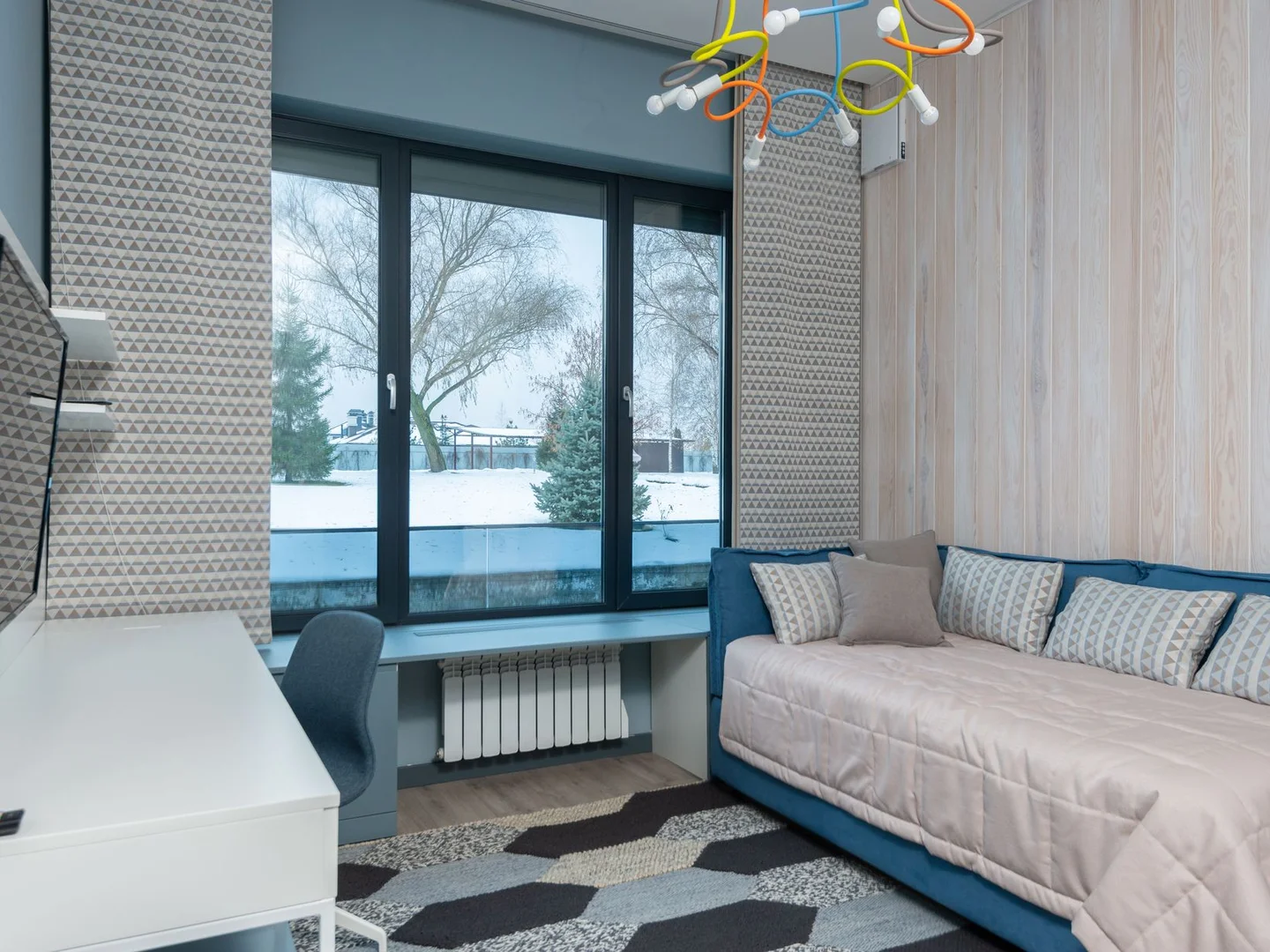
A guest space may be a home office, a child's room or the living room after the sofa bed opens. Before moving anything, identify when the room needs to become private and when the household must use it again. A clear plan prevents someone from needing a school bag or work document after the guest has gone to bed.
Discuss the arrangement with the person whose usual space is being shared. Keep personal belongings respected and accessible elsewhere if needed. A child should not discover at bedtime that their room has been emptied for a visitor. Move only what needs to move and make the temporary storage location clear.
Test the sleeping setup early
Open the sofa bed or assemble the intended bed before the arrival day. Follow its instructions and check its condition, locking mechanisms and weight limits. Do not improvise a sleeping surface from unstable furniture. If the guest has mobility needs or other requirements, ask about them directly rather than assuming a low or temporary bed will be suitable.
Make the bed with clean, fully dry bedding appropriate to the setup. Check that the sheets fit and that spare blankets are easy to find. Infants need an appropriate infant sleep arrangement following current safety guidance; an adult guest bed, sofa or improvised cushion space is not a substitute.
Walk around the room with the bed open. Move tripping hazards and leave a clear route to the door and bathroom. A coffee table that fits neatly beside a closed sofa may block the path once it becomes a bed. Check the route in the lighting the guest will actually use at night.
Provide a few useful surfaces
A guest needs somewhere for a phone, glasses and a glass of water more than a large welcome display. Use a stable bedside surface that does not interfere with the exit path. Keep water away from electrical equipment and offer an appropriate light with a reachable switch. Charging arrangements should follow device and electrical safety requirements, with no cables stretched across the floor.
Clear a modest area for luggage or clothing. A whole empty wardrobe is unnecessary for a short stay, but a few hangers or a usable shelf can make a difference. Do not ask the guest to balance a suitcase on a fragile chair or put it where a door will strike it. If storage is limited, explain where their things can comfortably remain.
Set out a towel and identify the bathroom supplies they may use. Keep medicines, personal records and valuable or sensitive items stored appropriately before sharing the room. The aim is to make boundaries clear without treating the visit as an elaborate hospitality performance.
Explain the room's ordinary quirks
A short explanation of the light switch, window, door and heating controls is more useful than expecting the guest to work them out late at night. Mention any household timing that affects privacy, such as a child needing access to another room in the morning. Share Wi-Fi details securely if you intend to provide them, without displaying unrelated passwords or personal information.
Avoid adding strong fragrance to make the room seem freshly prepared. Air and clean the room appropriately, and ask about relevant sensitivities when needed. Decorative candles introduce a flame risk and are not necessary for a comfortable welcome. Simple, usable surfaces allow the guest to arrange a few things as they prefer.
Check that the household's normal safety arrangements remain in place. Do not cover smoke alarms, block exits or move a portable heater close to bedding to create a cozier corner. Temporary furniture should be treated with the same care as permanent furniture.
Plan the return to daily use
Keep the original room arrangement easy to restore. A photograph can help if several pieces have moved, and labeled temporary boxes prevent papers or toys from becoming lost. After the visit, launder bedding as appropriate, dry and store it, and inspect the bed mechanism before folding it away.
Notice what was missing and what was unnecessary. Perhaps a small lamp would help next time, while several decorative cushions only created another pile. A shared room does not need to resemble a hotel. It needs a sound sleeping arrangement, privacy that matches the plan and enough clear space for the guest and household to use it comfortably.