Sort hand-me-down clothes by size and season
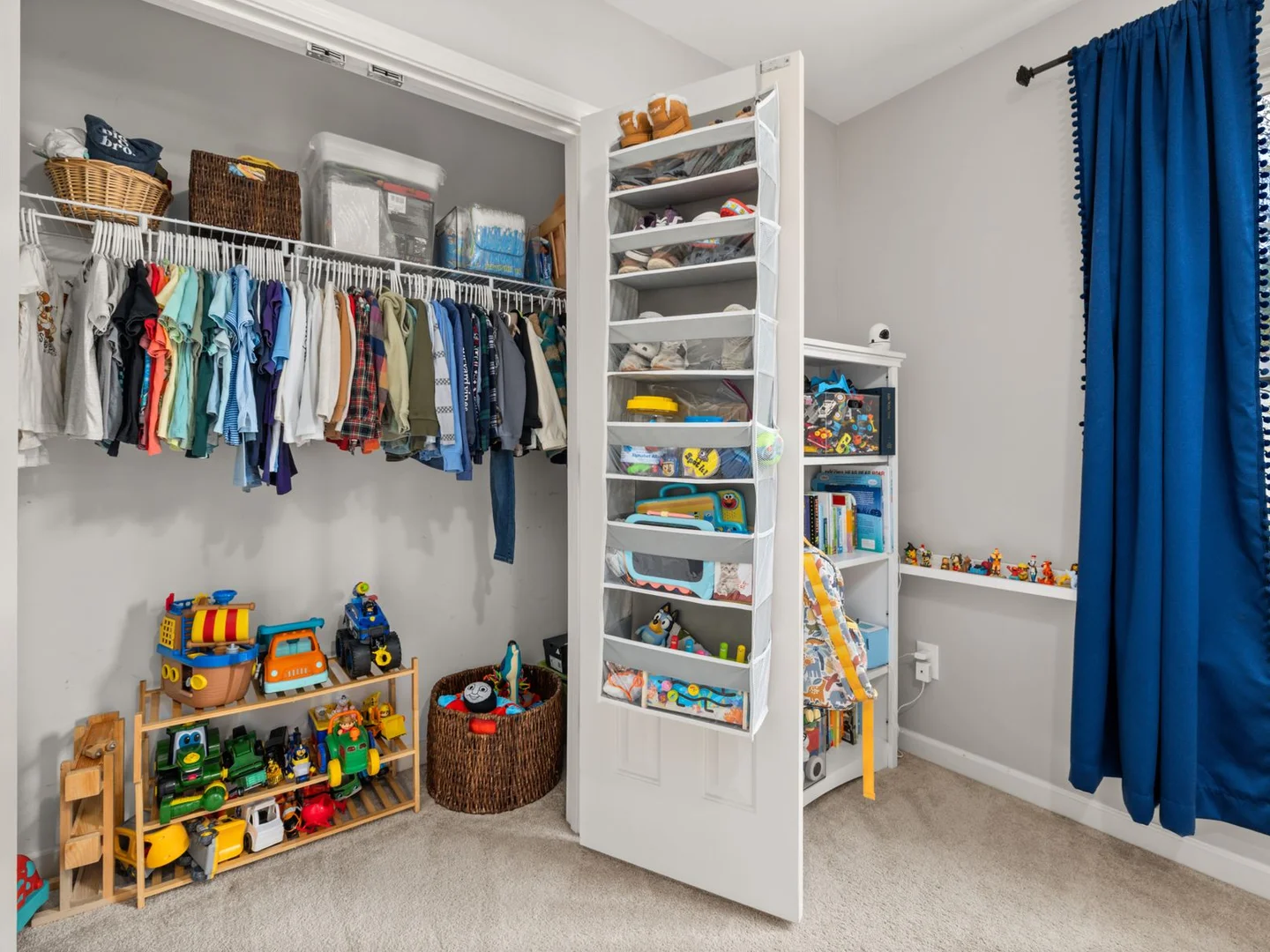
Sort clothing into usable future groups, with size, season and condition visible before a child needs the next batch.
Check condition before saving volume
Hand-me-down storage can grow quickly because every item represents a possible future need. Start by checking condition, care requirements and whether the garment is something the household is likely to use. Set aside items needing repair for a separate decision. Do not pack damaged clothing into the main collection with the assumption that it will be fixed years later.
Wash or clean suitable garments according to their labels and let them dry fully before storing. Check pockets and remove items that should not remain attached. Clothing that smells damp or shows mold needs appropriate assessment rather than fragrance added to the box. Storage preserves the condition you put in; it does not improve it.
Use size as a starting point, not a promise
Label sizes vary, and a nominal size does not tell you whether an item will fit the next child at the right time. Group similar sizes, but note garments that run notably small or large if you know from actual use. Avoid presenting those observations as universal facts about a brand. The future wearer will still need to try things on.
Within a size group, consider season and function. Heavy coats, warm-weather shorts and school clothing may be needed at different points. One large box spanning several years can hide the exact item you hoped to reuse. Smaller, clearly identified groups are easier to review before a shopping trip.
Shoes deserve a separate assessment rather than being grouped automatically with clothing. Check their condition, fit and any guidance relevant to the intended wearer. Do not keep a pair solely because it completes a labeled size box. The same applies to garments with damaged fastenings or missing essential parts: a future need is only covered when the item can actually be used.
Keep a brief quantity note for the categories that matter: perhaps two suitable sweaters, one coat and several everyday tops. There is no need to inventory every sock. The purpose is to see whether a future need is already covered, not to create a database that takes longer to maintain than the clothes take to wear.
Choose the storage location carefully
Use clean, dry storage suitable for textiles, away from conditions that encourage moisture, pests or excessive heat. Check the container and location rather than assuming a tightly closed plastic box solves every environmental problem. Follow any special care guidance for delicate materials. Avoid storing clothing directly on a damp-prone floor.
Label the side visible in storage with the size range, season and intended status. "Size 6, warm weather, ready to wear" is more useful than "Kids." If a box holds only keepsakes, say so clearly so it is not mistaken for usable clothing. Keep sentimental garments separate from the working hand-me-down supply.
Leave enough room to remove a group without unpacking the entire container. Overcompressed clothing can be difficult to inspect and may hide problems. If the volume exceeds the allocated space, select the items most likely to be useful rather than automatically adding another box to an inaccessible stack.
Review before the next season arrives
Bring out the relevant group early enough to check fit, condition and missing pieces. A coat discovered after a cold spell begins is less helpful than one assessed beforehand. Let the child try on clothing comfortably, and be willing to pass on an item that fits on paper but is not comfortable or suitable for their activities.
Make a short shopping list only after that review. Existing clothing may cover most needs, while one missing layer or pair of trousers completes several combinations. Buying first and opening the stored box later is how duplicate supplies accumulate.
When a size group has been used for the last likely wearer, decide its next destination. Check donation or resale requirements and be honest about condition. Recycle or dispose of unsuitable textiles through available appropriate routes rather than transferring an unexplained repair burden to someone else.
Keep only a deliberate selection of sentimental pieces. A small garment with a strong memory can belong in a keepsake box without requiring every outfit from that stage to remain. Separating memory from future utility makes both collections easier to understand and reduces the chance of saving a large volume for a use that will never arrive.