Keep lunch boxes and their lids together
Keep each lunch box with the parts needed to use it, and store only clean, dry containers that still close properly.
Match parts before arranging them
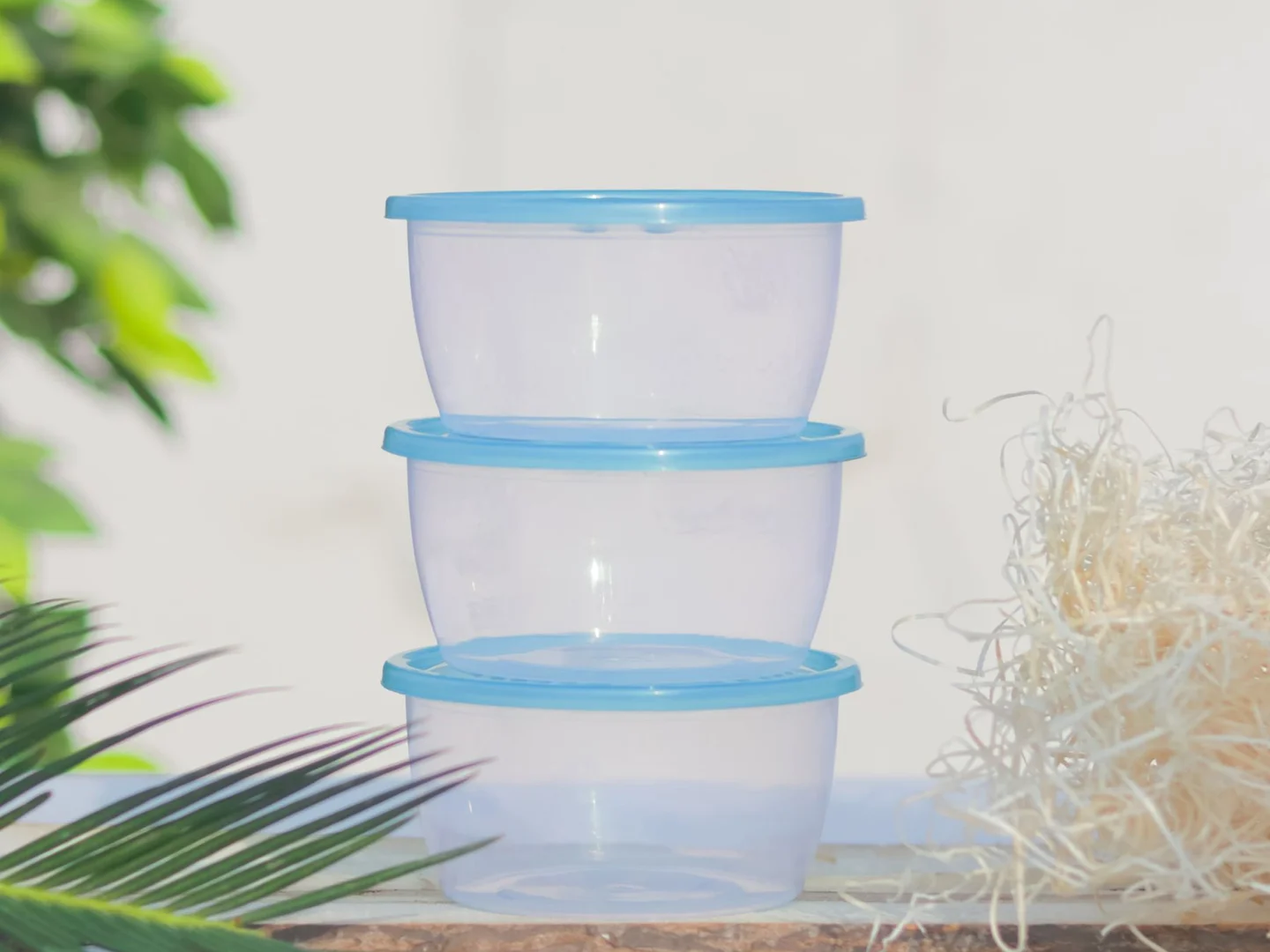
Empty the cupboard and pair lunch boxes with their lids, inserts and any manufacturer-specified seals. Check hinges, clips and surfaces for damage. A container with no matching lid is not a useful reserve unless you have a clear alternate use for it. Follow the product's guidance on replacing damaged parts rather than assuming every plastic container lasts indefinitely.
Separate the active school or work set from occasional picnic supplies. A small daily collection deserves the easiest position. If the cupboard is full of promotional containers nobody chooses, remove those from the working area before buying a new divider.
Store in a way that suits the drying routine
Wash and dry items according to their instructions, including any parts designed to be removed for cleaning. Do not seal moisture inside a lunch box for the sake of a neat stack. Once fully dry, keep its pieces together in a way that permits the storage conditions the maker recommends.
Some households prefer complete sets stored individually; others nest compatible bases and file the lids beside them. Test both with your actual shapes. A stack that must be dismantled to reach the most-used box is inconvenient, while a separate lid pile becomes frustrating if the shapes are nearly identical. Clear identification matters more than the method itself.
Leave room to lift one set out
Measure the shelf depth and opening, including hinges. A removable bin may help corral small inserts, but it should not consume so much space that the main boxes no longer fit. Keep food-contact items separate from household chemicals and unrelated craft supplies. Follow any special storage guidance for insulated bags, ice packs or accessories.
Place the cupboard near the packing routine if possible, but keep perishable-food handling separate from the storage question. An organized lunch box does not keep food at a suitable temperature by itself. Use the appropriate food-safety guidance and equipment for the contents being packed.
At the end of the day, empty used lunch boxes promptly and move them through cleaning rather than returning them to the cupboard with scraps inside. Keep a clear distinction between ready-to-use and waiting-to-wash items. A spare clean set can be helpful, but an unlimited reserve may hide the fact that used boxes are accumulating elsewhere.
Review the collection when schedules or appetites change. Keep the sizes that are actually useful and replace only what is needed. The cupboard should make tomorrow's packing straightforward, with no hunt for a tiny missing lid at the busiest moment of the morning.