Compare lookalike home accessories beyond the photo
Two accessories can share a silhouette while differing in scale, materials and upkeep. Compare the parts that affect daily use before calling one a substitute.
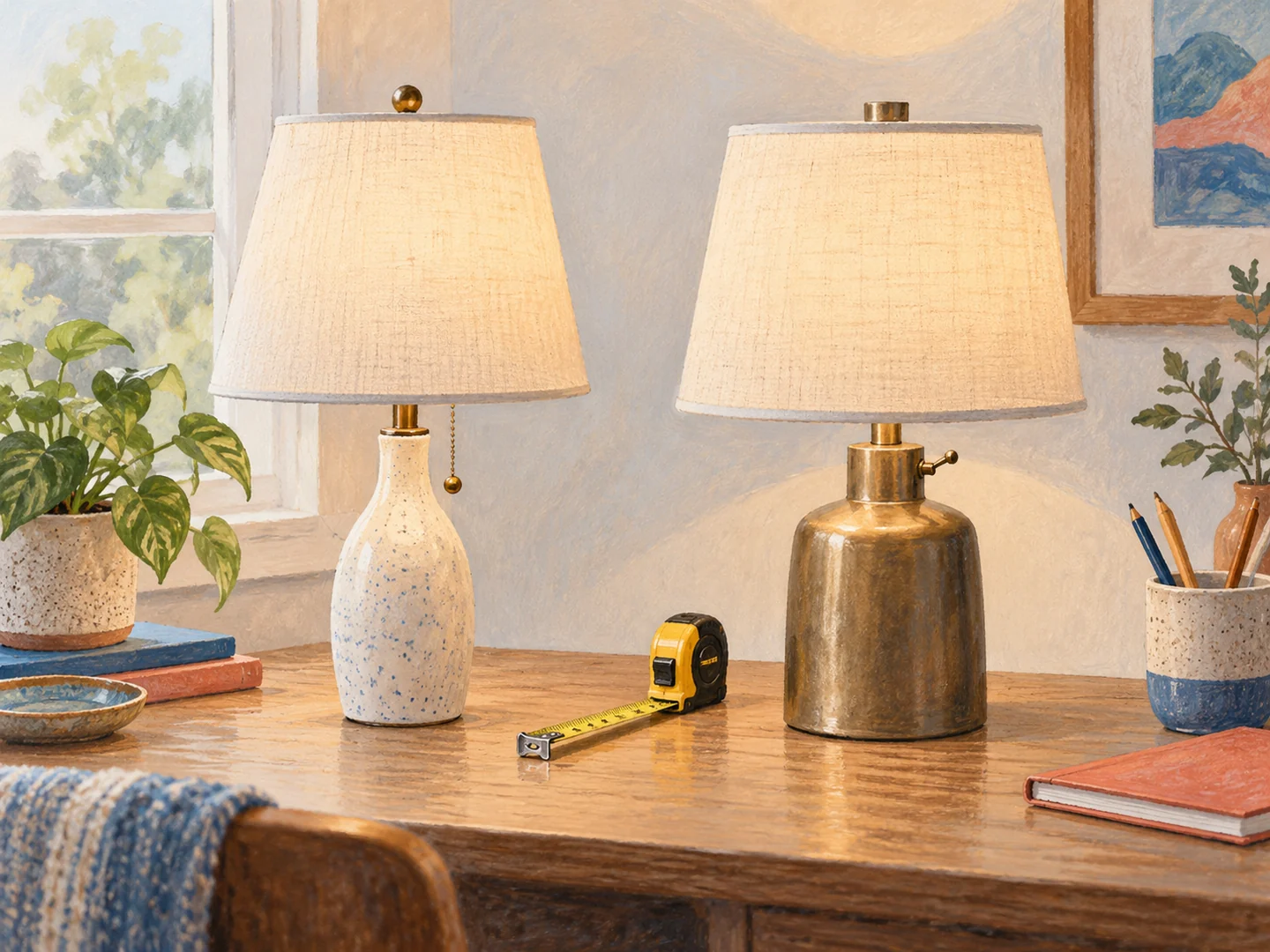
Put the two product photographs side by side, then stop looking at them for a moment. Write down what you actually like about the original item. It might be the curved outline, a particular warm brown, the texture or simply the way it fills a bare corner. That short list prevents a similar thumbnail from standing in for features the cheaper item does not have.
Make the comparison the same size
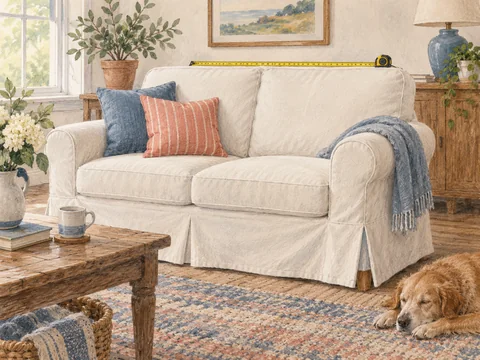
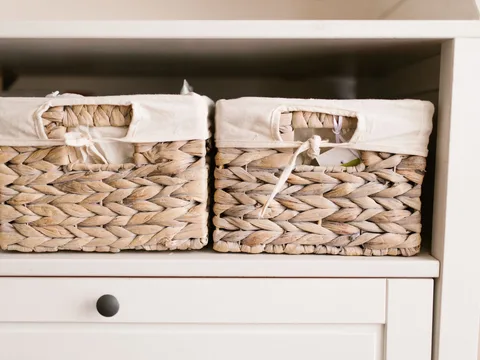
Check the measurements first. A low-priced bowl may look identical because both photographs fill the frame, even though one is half the diameter of the other. Draw each footprint on paper or compare both with an object at home. For a basket, include usable interior space; for a lamp, include the shade; for a mirror, distinguish glass size from the outside frame.
Suppose you want a shallow bowl for keys on an entry console. A large decorative bowl may provide the right look but take up space needed for mail. The smaller lookalike could actually suit the task better. Conversely, if you want a broad centerpiece for a dining table, the small version may disappear visually. The lower price is neither proof of a bargain nor proof of inferiority; the intended job decides which dimensions matter.
Read past the finish name
Words such as brass, marble or oak can describe a color or appearance as well as a material. Read the composition and construction details. Solid material, veneer, coating and printed pattern are different things, each with different handling and care requirements. A description that says “marble effect” is not necessarily misleading, but it should not be compared as if it means carved stone.
Look at the underside, seams, edges and attachments. These less styled photographs often reveal how an object is made. For a tray, the handle connection may matter more than the top pattern. For a storage box, the hinge and lid alignment can influence everyday use. If those details are missing and important to the purchase, ask the seller rather than supplying a favorable answer yourself.
Separate resemblance from provenance
A similar outline does not establish that two objects came from the same factory, share the same materials or have the same quality controls. Avoid treating comments such as “probably identical” as product information. Compare what each seller actually documents. If origin, craftsmanship or a particular manufacturing process matters to you, look for clear evidence rather than inferring it from a familiar shape.
Likewise, a low price does not explain why it is low. The difference might involve scale, material, distribution, included accessories or a temporary offer. You do not need to invent a story about either seller to decide whether the object suits your room. A comparison can remain modest and useful: this tray has the dimensions and cleaning instructions needed; that one has a finish you prefer but lacks handle information. Resolve the relevant uncertainty, then choose on those grounds rather than on the promise of getting exactly the same object for less.
Compare the complete purchase
Include shipping, required accessories and the cost of returning an unsuitable item. A lamp sold without a shade or a planter photographed with a stand may need another purchase to reproduce the look. Read the package contents line by line. Do not assume the styled objects around it are included.
Check whether the two products are sold by the same kind of seller and whether you understand who handles problems. Marketplace listings can place several sellers on one page. Save the exact item details and terms at the time of ordering. Avoid assuming that a familiar marketplace name guarantees identical service from every seller using it.
Know which differences you can accept
For a decorative object viewed from across the room, a minor texture difference may not matter. For something handled every day, the weight, grip and cleaning method can be decisive. Make that trade-off explicit. A coated tray that can only be wiped gently may be fine for displaying candles but less suitable for regular food spills.
There is also no requirement to find a substitute for every expensive item you admire. Sometimes the useful discovery is that you like a broad shape or color, not that specific object. You can carry that preference into a later purchase or rearrange something already owned. The comparison is successful when it clarifies what you need, even if neither product ends up in the cart.