Buy frames for prints with and without a mat
The frame's listed size usually refers to what it holds, not its outer footprint. Match the print, opening and wall space separately.
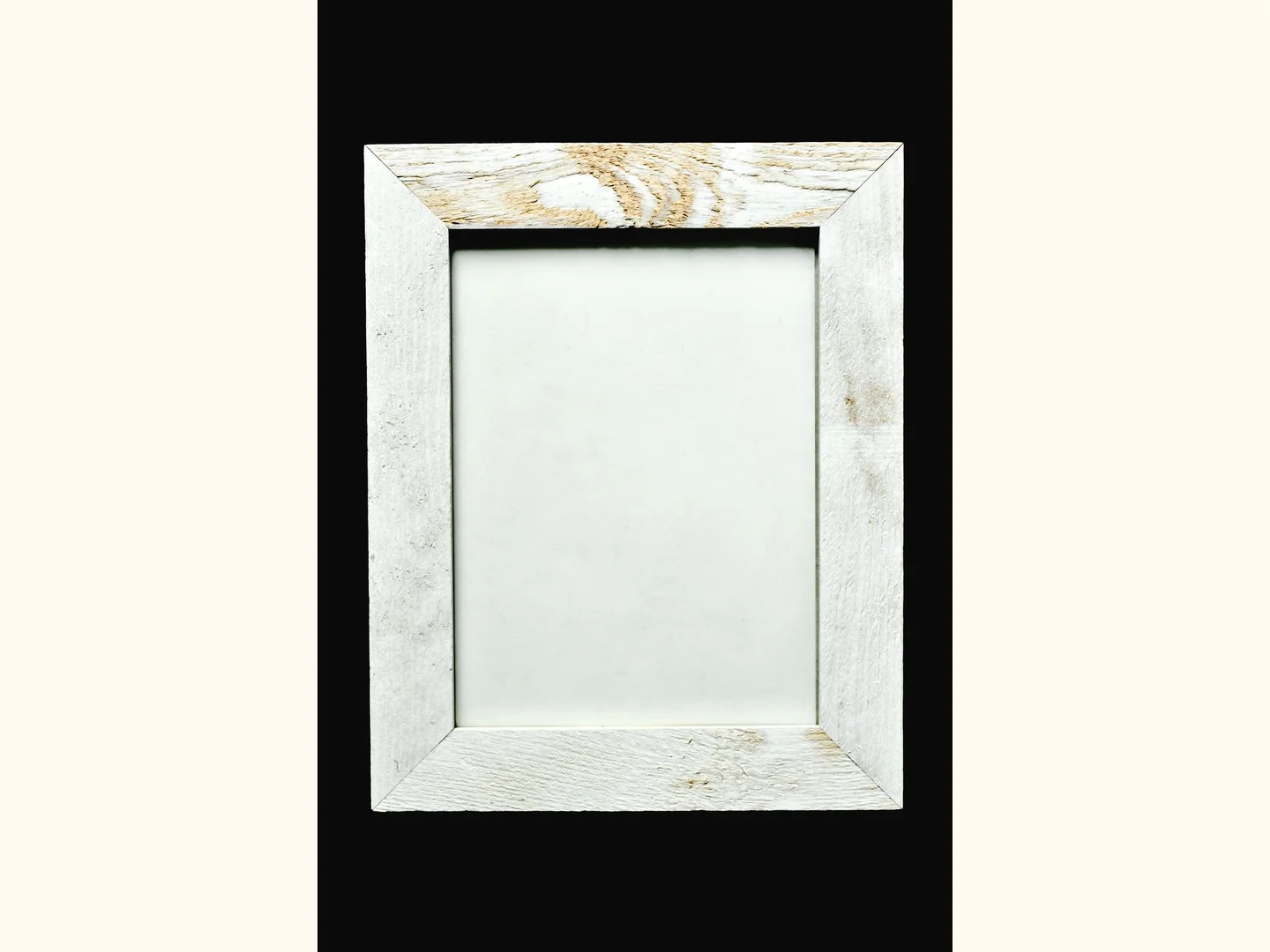
Put the print on a clean, flat surface and measure it before looking for a frame. Include any white border in the overall sheet measurement, then note where the actual image begins. Those two rectangles are different. A frame that holds the paper may still crop part of the picture beneath its lip, while a mat can cover a border intentionally.
Decide whether the print needs a mat
A mat creates a visible area between the image and the frame. If buying a ready-made combination, read both the frame size and the mat opening. The opening is normally a little smaller than the paper it is intended to hold, but the exact overlap matters for text, signatures or faces near the edge. Do not rely on the phrase “fits an eight-by-ten photo” without checking what remains visible.
For a print with no spare border, compare the opening carefully or ask a framer about an appropriate solution. Forcing an important detail under the mat because the ready-made frame was inexpensive is rarely satisfying. A custom mat in a standard frame can sometimes solve an awkward proportion without needing a fully custom frame.
Measure the frame outside as well
A broad wooden border adds noticeably to the total footprint. If the frame will sit on a ledge, check its depth and whether the stand can fold away. If it will hang, look for the hanging orientation and hardware. A frame photographed vertically is not guaranteed to have fittings for a horizontal print.
For a group of prints, decide which dimension should repeat. Matching outer frames creates one kind of rhythm; matching mat borders creates another, especially when the images differ in size. Lay the prints on the floor with paper borders before ordering. This can reveal that one unusually wide image needs a different treatment rather than forcing the whole group into a single frame size.
If buying frames gradually, save the outside measurements and finish name, but leave room for small variation between batches. A deliberately mixed collection can be easier to extend than a wall that depends on an exact discontinued frame.
Consider the glazing where the frame will be used. Glass and acrylic differ in weight and handling, and neither should be chosen only because it looks clear in a product photograph. Follow the frame's mounting instructions and use fixings suitable for the wall and total weight. Keep freestanding frames where they will not be easily pulled or knocked over.
Lay paper cut to the outside frame dimensions against the wall before buying several. This helps reveal whether a set will fit the space between furniture rather than merely fit the prints. Leave gaps that allow each piece to be seen; a small picture does not automatically need a small outer frame if a generous mat gives it room.
When the frame arrives, inspect the corners and glazing before inserting the print. Work on a clean surface and avoid permanent adhesive unless it is appropriate for the artwork. For a valuable or irreplaceable piece, ask a professional framer about materials and mounting. For an ordinary print, careful sizing and a reversible arrangement are often enough to make an inexpensive frame look considered.