Check shower-curtain length before choosing a print
Measure from the actual hanging point and account for hooks, a liner and nearby doors. A standard size is only useful if it suits the setup.
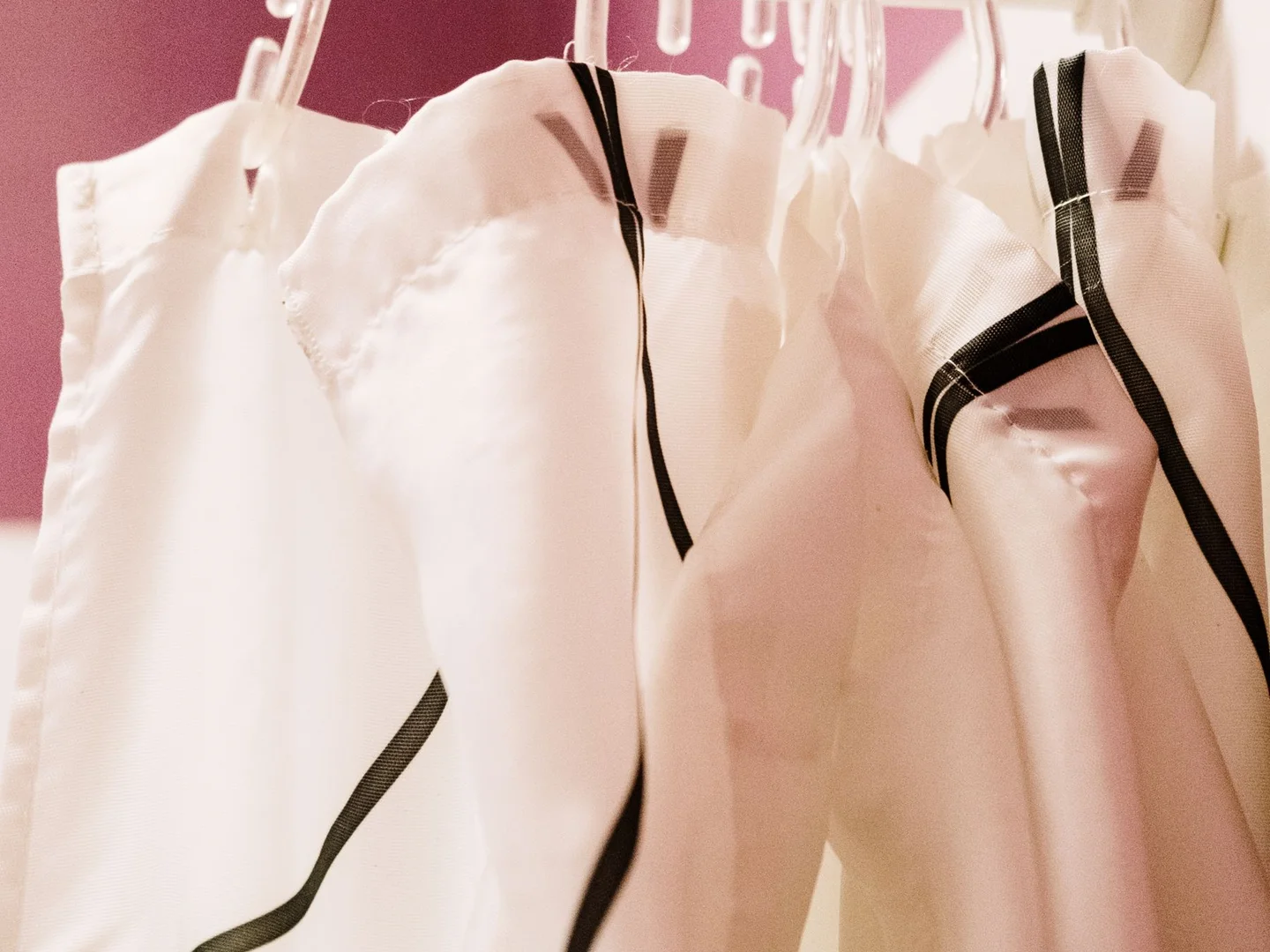
Stand inside the bathroom and identify where the shower curtain needs to finish. In a tub, the liner usually needs to direct water inward, while the decorative outer curtain may hang differently. In a shower stall, the arrangement depends on the enclosure. Follow the curtain, liner and shower manufacturer's guidance rather than assuming the same length works in both places.
Measure down from the rod, then account for how far the hooks or rings lower the fabric. Some curtains have built-in holes or a hookless system that changes this relationship. Write the desired finished position beside the measurement so you are not later trying to remember whether the number included the rings.
Check the width and hardware
Measure the span the curtain will close across. The curtain needs enough material to hang as intended, rather than stretching flat from end to end. Compare the maker's recommended coverage, especially for curved rods, wide tubs or narrow stalls. A curtain labeled extra wide may still be unsuitable for an unusual enclosure.
Count or confirm the attachment points and check compatibility with the hooks you plan to use. If the decorative curtain requires a separate liner, include that in the purchase and measurement. Fabric described as water repellent is not automatically a substitute for a liner; use the product according to its stated purpose.
Leave room for the rest of the bathroom
Open drawers and cabinet doors near the tub to see whether a longer outer curtain will catch. Avoid fabric trailing across the bathroom floor. Look at how the curtain can be spread after use so it has room to dry, and read the washing instructions before choosing a heavy texture or trim.
Pattern scale is easier to judge from a full-length photograph than a small swatch. A large motif may be partly hidden in the folds, while a border can make an uneven hanging height more noticeable. Neither is a problem if chosen deliberately. Settle the functional length and width first, then choose the print within those requirements.
When it arrives, check the hanging arrangement before discarding the packaging. If it is too long, returning it or selecting a compatible length may be simpler than altering a material with special coatings or weighted edges. The successful curtain is the one that contains the shower arrangement neatly and can dry without taking over the room.